
 Translate
































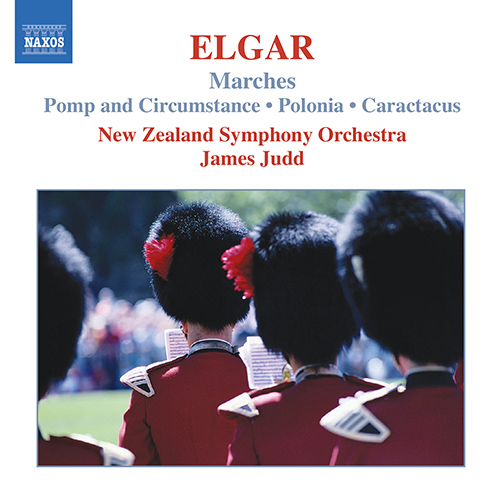

Composer(s): Elgar, Edward
Conductor(s): Judd, James
Orchestra(s): New Zealand Symphony Orchestra
Label: Naxos
Genre: Orchestral
Period: 20th Century
Catalogue No: 8.557273
Barcode: 0747313227327
Release Date: 03/2005
ELGAR, E.: Marches (New Zealand Symphony, Judd)
The marches that Elgar wrote, whether for public occasions or as an incidental part of other works, represent only one aspect of his achievement as a composer. If not necessarily the most important of his orchestral works, they often represent music of profounder achievement, by no means jingoistic or merely brash in conception. The ever-popular Pomp and Circumstance Marches demonstrate a consummate command of orchestration, with the March No. 1 in D major, in Elgar’s own words ‘a tune that will knock ’em flat’, justifiably famous as the melody for Land of Hope and Glory.
Tracklist

Elgar, Edward
Judd, James (Conductor)
New Zealand Symphony Orchestra (Orchestra)
New Zealand Symphony Orchestra (Orchestra)
|
 |
1 | Coronation March, Op. 65 | 10:37 |
Judd, James (Conductor)
New Zealand Symphony Orchestra (Orchestra)
New Zealand Symphony Orchestra (Orchestra)
Judd, James (Conductor)
New Zealand Symphony Orchestra (Orchestra)
New Zealand Symphony Orchestra (Orchestra)
|
|
2 | Grania and Diarmid, Op. 42, No. 2: Funeral March | 10:21 |
Judd, James (Conductor)
New Zealand Symphony Orchestra (Orchestra)
New Zealand Symphony Orchestra (Orchestra)
Judd, James (Conductor)
New Zealand Symphony Orchestra (Orchestra)
New Zealand Symphony Orchestra (Orchestra)
|
|
3 | No. 1 in D Major | 06:13 |
Judd, James (Conductor)
New Zealand Symphony Orchestra (Orchestra)
New Zealand Symphony Orchestra (Orchestra)
|
|
4 | No. 2 in A Minor | 05:08 |
Judd, James (Conductor)
New Zealand Symphony Orchestra (Orchestra)
New Zealand Symphony Orchestra (Orchestra)
|
|
5 | No. 3 in C Minor | 05:48 |
Judd, James (Conductor)
New Zealand Symphony Orchestra (Orchestra)
New Zealand Symphony Orchestra (Orchestra)
|
|
6 | No. 4 in G Major | 05:14 |
Judd, James (Conductor)
New Zealand Symphony Orchestra (Orchestra)
New Zealand Symphony Orchestra (Orchestra)
|
|
7 | No. 5 in C Major | 06:16 |
Judd, James (Conductor)
New Zealand Symphony Orchestra (Orchestra)
New Zealand Symphony Orchestra (Orchestra)
Judd, James (Conductor)
New Zealand Symphony Orchestra (Orchestra)
New Zealand Symphony Orchestra (Orchestra)
|
|
8 | Caractacus, Op. 35: Triumphal March | 07:06 |
Judd, James (Conductor)
New Zealand Symphony Orchestra (Orchestra)
New Zealand Symphony Orchestra (Orchestra)
Judd, James (Conductor)
New Zealand Symphony Orchestra (Orchestra)
New Zealand Symphony Orchestra (Orchestra)
|
|
9 | The Crown of India Suite, Op. 66: V. March of the Mogul Emperors | 03:50 |
Judd, James (Conductor)
New Zealand Symphony Orchestra (Orchestra)
New Zealand Symphony Orchestra (Orchestra)
Judd, James (Conductor)
New Zealand Symphony Orchestra (Orchestra)
New Zealand Symphony Orchestra (Orchestra)
|
|
10 | Empire March | 04:17 |
Judd, James (Conductor)
New Zealand Symphony Orchestra (Orchestra)
New Zealand Symphony Orchestra (Orchestra)
Judd, James (Conductor)
New Zealand Symphony Orchestra (Orchestra)
New Zealand Symphony Orchestra (Orchestra)
|
|
11 | Polonia, Op. 76 | 14:25 |
Judd, James (Conductor)
New Zealand Symphony Orchestra (Orchestra)
New Zealand Symphony Orchestra (Orchestra)
Total Playing Time: 01:19:15