
 Translate






























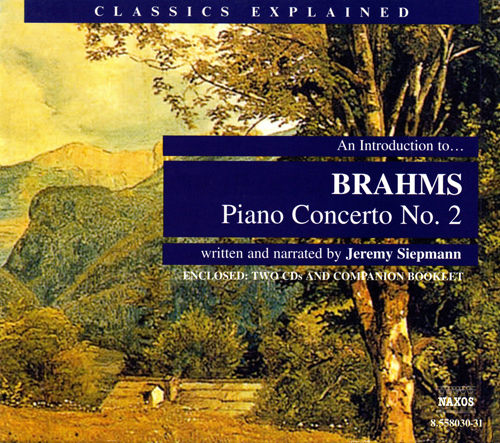

Classics Explained: BRAHMS - Piano Concerto No. 2 (Siepmann)
There is perhaps no great piano concerto grander than the Brahms B flat. With the spaciousness of a symphony, the drama of an opera, the intimacy of a lullaby and the intertwining raptures of the greatest love songs, it touches on almost every emotion with extraordinary immediacy and power. Its virtuosity is spell-binding, yet always substantial. But how is it made? How does it grow? What holds it together? Here we explore the music from the inside out, and hear how the mightiest of musical oaks can grow from the smallest of musical acorns.
A series exploring, in words and music, the major classical works of the concert hall. In an accessible and lively manner, Jeremy Siepmann looks at the history and the form of the great masterpieces of western music.
Tracklist


|
 |
1 | Introduction; opening horn call and piano's answer | 01:50 |
|
|
2 | Rising three-note scalewise pattern | 00:25 |
|
|
3 | Quicker, descending six-note 'answer' | 00:18 |
|
|
4 | Second, answering phrase | 00:32 |
|
|
5 | First Main Theme completed by orchestra | 00:50 |
|
|
6 | Peace shattered as piano bursts back in like a tiger | 01:24 |
|
|
7 | Variant of opening horn call in bass | 00:19 |
|
|
8 | Orchestra returns; beginning of Exposition proper | 02:25 |
|
|
9 | Big, 'singing' theme in orchestra; piano 'forgotten' | 00:41 |
|
|
10 | Call to arms by strings; marshalling of orchestral forces | 01:03 |
|
|
11 | Piano re-enters fry with massive expansion of opening figure | 00:48 |
|
|
12 | Piano 'explores' two main facets of opening theme | 00:45 |
|
|
13 | Transition. sense of key weakened. Piano and orchestra come together | 01:07 |
|
|
14 | Piano and orchestra 'argue' over speed of thematic three-note rise | 00:41 |
|
|
15 | Piano and orchestra in friendly dialogue before piano falls away | 01:28 |
|
|
16 | 'Winged' harmonic shadow of pure pianistic tone-colour | 00:45 |
|
|
17 | New 'transitional' theme from orchestra developed by piano | 01:51 |
|
|
18 | After indecision and discussion, the mood suddenly turns playful | 00:26 |
|
|
19 | Reminder of Second Main Theme in its original form | 00:43 |
|
|
20 | Ttransfomation of Second Main Theme by piano | 00:40 |
|
|
21 | Piano hijacks orchestra's 'call to arms' | 00:43 |
|
|
22 | Piano and orchestra, now allies, explore theme, but with piano leading | 01:08 |
|
|
23 | Dramatic eruption of orchestra leads to the Development section | 01:13 |
|
|
24 | Pianistic 'tiger' replaced by gentle reflective, soft-spoken poet | 00:30 |
|
|
25 | Transformed 'tiger' theme amicably shared by piano and orchestra | 00:44 |
|
|
26 | An apparently new theme - but Battlle Hymn of the Republic? | 00:41 |
|
|
27 | Brief, downward-driving section prepares for the Recapitulation | 00:54 |
|
|
28 | On the threshold of the Recapitulation | 00:54 |
|
|
29 | Recapitulation: The Magical Return | 01:06 |
|
|
30 | From Gate-crashing Tiger to Celestial Tenderness - and a surprise | 01:17 |
|
|
31 | And unexpected and portentus change of mood, suggesting tragedy | 01:01 |
|
|
32 | Summation | 00:30 |
|
|
33 | First Movement (Complete) | 17:16 |
|
|
34 | Second Movement: The upward-driving opening gambit, piano alone | 00:13 |
|
|
35 | Downward-driving answer from lower strings | 00:27 |
|
|
36 | Theme vs Melody | 00:58 |
|
|
37 | Eerie, unharmonised, 'white' sound of Second Theme | 00:45 |
|
|
38 | Second Theme taken up and developed by piano | 01:25 |
|
|
39 | Expectation and surprise; harmonic fluidity and intensifying drama | 01:40 |
|
|
40 | Return (and transformation) of Theme Two | 00:41 |
|
|
41 | Theme One returns in orchestra; Theme Three emerges in major mode | 01:00 |
|
|
42 | Sequence of fragmentary episodes begins with unexpected fanfare | 00:58 |
|
|
43 | Variant of Theme Three in piano | 00:36 |
|
|
44 | Rescored variant of 'fanfare' theme; from grandeur to solemnity | 00:21 |
|
|
45 | Rhapsodic variant of fanfare, this time for piano alone | 00:24 |
|
|
46 | Recapitulation of opening, with piano and orchestra reversing roles | 01:07 |
|
|
47 | Theme Two transformed by new instrumentation | 00:36 |
|
|
48 | Cue and Second Movement (Complete) | 09:23 |
|
|
1 | Introduction, cue and First Main Theme | 01:53 |
|
|
2 | Theme One taken up by strings and solo oboe; piano's entry | 01:20 |
|
|
3 | Complex variant of Theme One with very different speed and rhythm | 00:42 |
|
|
4 | Orchestra and piano in mixed variants of Theme One, now intensified | 01:10 |
|
|
5 | Theme Two, hushed and 'tuneless', with piano, clarinets and strings | 01:28 |
|
|
6 | Oboe Theme returns, now delicately embroidered by the piano | 00:46 |
|
|
7 | Cue and Third Movement (Complete) | 11:50 |
|
|
8 | Finale: Introduction, cue and Main Theme | 00:57 |
|
|
9 | Violins take up tune, with winds and piano accompanying | 00:24 |
|
|
10 | Piano introduces Part 2 of the main theme | 00:37 |
|
|
11 | Part 3 of the theme, led by piano, in 'fiercely' self-confident mood | 00:54 |
|
|
12 | First Episode, Part 1 | 00:47 |
|
|
13 | First Episode, Part 2 | 00:23 |
|
|
14 | Piano hands theme over to clarinets and bassoons | 00:15 |
|
|
15 | First Episode, Part 3, in piano, first; then flutes and oboes | 00:40 |
|
|
16 | Strings and flutes take theme, with bubbling commentary from piano | 00:28 |
|
|
17 | Tipsy dancers (piano and winds) return, tiring; strings take over | 00:38 |
|
|
18 | In the central Episode, the orchestra throws down a dramatic challenge | 00:28 |
|
|
19 | ... to which the piano duly responds with a stormy outburst | 00:10 |
|
|
20 | Piano kick-starts run-up to final section in a variant of the main theme | 00:41 |
|
|
21 | Orchestra sets off on jaunty march, later joined by the piano | 00:25 |
|
|
22 | Piano propels orchestra into final section | 00:46 |
|
|
23 | Summation and cue to the movement as a whole | 00:22 |
|
|
24 | Finale (Complete) | 09:08 |