
 Translate

































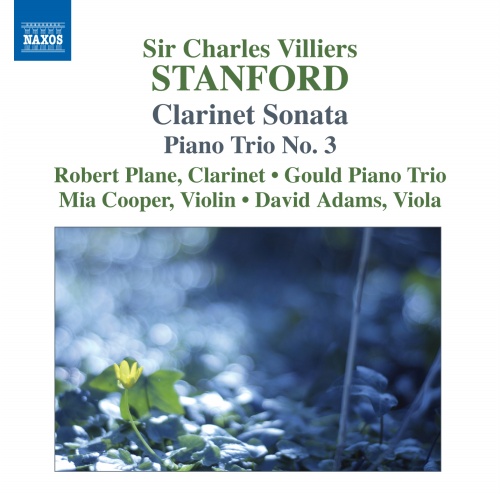

Composer(s): Stanford, Charles Villiers
Ensemble(s): Gould Piano Trio
Artist(s): Adams, David; Cooper, Mia; Frith, Benjamin; Gould, Lucy; Neary, Alice; Plane, Robert
Label: Naxos
Genre: Chamber Music
Period: Romantic
Catalogue No: 8.570416
Barcode: 747313041671
Release Date: 08/2007
STANFORD: Clarinet Sonata / Piano Trio No. 3 / 2 Fantasies
At the height of his career Sir Charles Stanford held a leading position in British music, not only as a teacher of many of the most important composers of the new generation, but as one of the most significant British composers – the other was Sir Hubert Parry – to have emerged immediately before Elgar. Chiefly remembered today for his Irish Rhapsodies, Seven Symphonies and Clarinet Concerto, Stanford composed many chamber works, including several for clarinet written in what might be described as a ‘Brahmsian’ idiom. The Piano Trio No. 3, the last of three which span Stanford’s mature career, was written as a tribute to friends lost in the First World War.
Tracklist

Stanford, Charles Villiers
Plane, Robert (clarinet)
Frith, Benjamin (piano)
Frith, Benjamin (piano)
|  | 1 | I. Allegro moderato | 07:33 |
Plane, Robert (clarinet)
Frith, Benjamin (piano)
Frith, Benjamin (piano)
| | 2 | II. Caoine: Adagio quasi fantasia | 05:40 |
Frith, Benjamin (piano)
Plane, Robert (clarinet)
Plane, Robert (clarinet)
| | 3 | III. Allegretto grazioso | 05:31 |
Frith, Benjamin (piano)
Plane, Robert (clarinet)
Plane, Robert (clarinet)
Plane, Robert (clarinet)
Neary, Alice (cello)
Adams, David (viola)
Gould, Lucy (violin)
Cooper, Mia (violin)
Neary, Alice (cello)
Adams, David (viola)
Gould, Lucy (violin)
Cooper, Mia (violin)
| | 4 | I. Allegro moderato alla marcia | 01:53 |
Plane, Robert (clarinet)
Neary, Alice (cello)
Adams, David (viola)
Gould, Lucy (violin)
Cooper, Mia (violin)
Neary, Alice (cello)
Adams, David (viola)
Gould, Lucy (violin)
Cooper, Mia (violin)
| | 5 | II. Andante | 05:45 |
Plane, Robert (clarinet)
Gould, Lucy (violin)
Neary, Alice (cello)
Adams, David (viola)
Cooper, Mia (violin)
Gould, Lucy (violin)
Neary, Alice (cello)
Adams, David (viola)
Cooper, Mia (violin)
| | 6 | III. Allegro | 04:01 |
Neary, Alice (cello)
Plane, Robert (clarinet)
Gould, Lucy (violin)
Cooper, Mia (violin)
Adams, David (viola)
Plane, Robert (clarinet)
Gould, Lucy (violin)
Cooper, Mia (violin)
Adams, David (viola)
Adams, David (viola)
Plane, Robert (clarinet)
Gould, Lucy (violin)
Neary, Alice (cello)
Cooper, Mia (violin)
Plane, Robert (clarinet)
Gould, Lucy (violin)
Neary, Alice (cello)
Cooper, Mia (violin)
| | 7 | I. Allegretto piacevole | 02:57 |
Adams, David (viola)
Plane, Robert (clarinet)
Gould, Lucy (violin)
Neary, Alice (cello)
Cooper, Mia (violin)
Plane, Robert (clarinet)
Gould, Lucy (violin)
Neary, Alice (cello)
Cooper, Mia (violin)
| | 8 | II. Adagio | 04:56 |
Plane, Robert (clarinet)
Gould, Lucy (violin)
Neary, Alice (cello)
Cooper, Mia (violin)
Adams, David (viola)
Gould, Lucy (violin)
Neary, Alice (cello)
Cooper, Mia (violin)
Adams, David (viola)
| | 9 | III. Quasi presto | 06:43 |
Plane, Robert (clarinet)
Neary, Alice (cello)
Adams, David (viola)
Gould, Lucy (violin)
Cooper, Mia (violin)
Neary, Alice (cello)
Adams, David (viola)
Gould, Lucy (violin)
Cooper, Mia (violin)
Frith, Benjamin (piano)
Plane, Robert (clarinet)
Plane, Robert (clarinet)
| | 10 | No. 1. Andante espressivo | 03:19 |
Frith, Benjamin (piano)
Plane, Robert (clarinet)
Plane, Robert (clarinet)
| | 11 | No. 2. Allegro agitato | 02:16 |
Plane, Robert (clarinet)
Frith, Benjamin (piano)
Frith, Benjamin (piano)
| | 12 | No. 3. Allegretto scherzando | 02:31 |
Frith, Benjamin (piano)
Plane, Robert (clarinet)
Plane, Robert (clarinet)
Gould Piano Trio (Ensemble)
| | 13 | I. Allegro moderato ma con fuoco | 06:48 |
Gould Piano Trio (Ensemble)
| | 14 | II. Adagio | 07:01 |
Gould Piano Trio (Ensemble)
| | 15 | III. Allegro maestoso e moderato | 07:11 |
Gould Piano Trio (Ensemble)
Total Playing Time: 01:14:05