
 Translate






























 | Loading... |
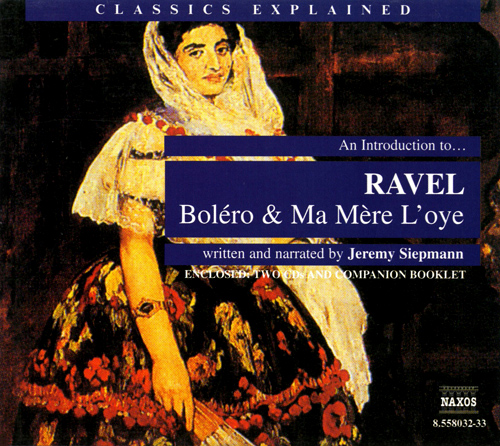
Classics Explained: RAVEL - Bolero and Ma Mere l'oye (Smillie)
The famous Boléro and the enchanting Mother Goose Suite give us Ravel the orchestral sorcerer at the peak of his unsurpassed powers. From the fierce vitality of sun-baked Spain to the most poignant evocations of childhood and innocence, he captures the immediacy of experience as we feel it. Yet he saw himself as an artisan, not an artist, and a discoverer rather than a composer. Behind his every work was a craftsman of astonishing skill. So astonishing that we can examine his artistic workshop in the minutest detail without dispelling any of the magic.
A series exploring, in words and music, the major classical works of the concert hall. In an accessible and lively manner, Jeremy Siepmann looks at the history and the form of the great masterpieces of western music.
Tracklist


|
 |
1 | Bolero-Introduction; cue to unadorned Bolero rhythm, Part 1 | 02:29 |
|
|
2 | Bolero rhythm, Part 2: an extended variation of Part 1 | 00:07 |
|
|
3 | ' Motto ' rhythm complete | 00:21 |
|
|
4 | But here we have snare drums and plucked violas and cellos | 00:22 |
|
|
5 | Section 1: Introduction of ' the theme ' by solo flute | 00:37 |
|
|
6 | Flute continues with Part 2 of theme | 00:48 |
|
|
7 | Section 2: Complete statement of theme by clarinet as flute joins ' motto ' group | 01:30 |
|
|
8 | Introduction of ' discordant ' harp into the unfolding picture | 00:18 |
|
|
9 | Section 3: Bassoon introduces closely related variant of theme | 00:34 |
|
|
10 | ...but then veers upwards, slowing rhythm and introducing new syncopation | 00:59 |
|
|
11 | Section 4: ' Petite ' E flat clainet takes over theme, including variants | 01:21 |
|
|
12 | Section 5: Oboe d'amore takes over theme but returns to its original form | 01:34 |
|
|
13 | Section 6: Theme now shared by two instruments: uted trumpet and flute | 01:16 |
|
|
14 | Section 7: Tenor saxophone takes Theme as trumpet replaces horn in ' motto ' | 01:39 |
|
|
15 | Section 8: Theme taken by soprano saxphone, ' espressivo ' | 01:09 |
|
|
16 | Section 9: Theme: celeste, piccolos and horn; Motto: flute and French horn | 01:24 |
|
|
17 | Section 10: Theme: Oboes, horns, clarinets; Motto: plucked violas and violins | 02:06 |
|
|
18 | Section 11: Theme taken by First Trombone, complete with jazzy slides | 01:40 |
|
|
19 | Section 12: Theme: flutes, oboes, clarinets, sax; Motto: bassoons, horns, trumpets | 01:13 |
|
|
20 | Section 13: Violins at last take the main tune, joining massed winds | 01:14 |
|
|
21 | Section 14: Violins divide into four groups, each ' double-stopping ' | 01:04 |
|
|
22 | Section 15: Trumpet, trombone 2 and tuba join the foreground | 01:18 |
|
|
23 | Section 16: First trombone and soprano saxophone ' rejoin ' theme | 00:56 |
|
|
24 | Section 17: Fortissimo; all strings ' double-stopping '; trumpets added | 01:26 |
|
|
25 | Section 18: Entire orchestra now employed, ' as loudly as possible ' | 01:18 |
|
|
26 | Section 19: Sudden, amazing change of key, lurching from C to E Major | 01:20 |
|
|
27 | Section 20: Key now lurches back to C, as jazzy trombones whiningly protest | 00:36 |
|
|
28 | Cue to complete performance | 00:20 |
|
|
29 | Bolero (complete) | 16:16 |
|
|
1 | Pavane de la Belle au bois dormant-Opening figure on flute; rising, falling, and then reeated | 01:04 |
|
|
2 | Same again, with emphasis on delicacy of scoring | 00:30 |
|
|
3 | answering variant, accompanied by plucked double basses | 00:19 |
|
|
4 | Reminder of opening figure | 00:18 |
|
|
5 | ... and now its rhythmical mirror image, or almost... | 00:12 |
|
|
6 | Answering Phrase 2: a near-inversion, over ' James Bond ' accompaniment | 00:41 |
|
|
7 | Pivotal Phrase 3, reversing direction but keeping rhythm of Phrase 2 | 00:46 |
|
|
8 | Reprise of Phrases 1 and 2, but with new accompaniment | 00:39 |
|
|
9 | Further Reprise of Phrase 2, now on violin, accompanied by harp | 00:40 |
|
|
10 | Pavane (complete) | 01:41 |
|
|
11 | Petit Poucet (Tom Thumb)-Introduction; Opening, with multi-metre rising scales from muted violins | 00:49 |
|
|
12 | Change of metre continue as solo oboe introduces Theme One | 00:24 |
|
|
13 | Oboe yields to Cor Anglais for Theme Two, against lower (still muted) strings | 00:44 |
|
|
14 | Theme One returns, shared by clarinet and flute, muted horn added to accompaniment | 00:25 |
|
|
15 | 'Motto' rhythm dominates as intensity increases from lower strings to full orchestra | 00:46 |
|
|
16 | Fear subsides as Theme Two returns, again in Cor Anglais but now in a different key | 00:32 |
|
|
17 | Sensational sound effects evoke a wood at night, with screeches, cuckooing etc. | 00:44 |
|
|
18 | Texture thins; Theme one returns, delicately scored for strings and piccolo | 00:19 |
|
|
19 | The main part of movement ends, with waltz-like march(!), featuring flute | 00:28 |
|
|
20 | Petit Poucet (complete) | 03:28 |
|
|
21 | Laideronnette, Imperatrice des Pagodes-Introduction; opening bars, followed by Theme One | 02:00 |
|
|
22 | Oriental-orchestral equivalent of an imprial telephone bell | 00:15 |
|
|
23 | ... oboe ' answers ' with a very slightly varied version of Theme One | 00:15 |
|
|
24 | Expanded derivative of the ' telephone bell ' interrupts the theme again | 01:00 |
|
|
25 | Fragments of theme in flutes and cor anglais, with ' James Bond ' tag in violins | 00:24 |
|
|
26 | 'Gamelan ' music from flute and piccolo, accompanied by harp, xylophone and strings | 00:32 |
|
|
27 | arrival of Empress; upper strings yield to winds, celeste, harp and (very discreet) gong | 00:47 |
|
|
28 | Laideronnette, Imperatrice des Pagodes (complete) | 03:57 |
|
|
29 | Les entretiens de la Belle et de la Bete- opening | 00:51 |
|
|
30 | Characteristic pattern of two short phrases answered by a long one | 00:36 |
|
|
31 | Clarinet, flutes and violas, with ' sighing' figure derived from downward string motif | 00:21 |
|
|
32 | Varied reprise of opening, entry of the ' Beast '; ' Watch it ! Watch it ! ' | 00:32 |
|
|
33 | Again the ' Beast ' growls; again the cautious warning ' Watch it ! ' from the winds | 00:40 |
|
|
34 | Derivative of Beauty's Theme from flute, combined with ' caution motif ' in strings | 00:38 |
|
|
35 | ' Beast's theme ' rises in pitch with each successive ' gowl ' (representing hope?) | 00:52 |
|
|
36 | ' Beauty ', ' Beast ' and ' Caution ' motifs all combine simultaneously | 01:12 |
|
|
37 | ' Beast ' (contra-bassoon) climbs ever higher, handing over to bassoon proper | 00:49 |
|
|
38 | Harp's upward glide heralds the moment of transformation; love song, fear, release | 02:09 |
|
|
39 | Les entretiens de la Belle et de la Bete (complete) | 04:14 |
|
|
40 | Le jardin feerique-Introduction; Opening bars are unfuuuuuuuuurled by the strings alone | 00:40 |
|
|
41 | The rhythmic basis, and its guises. First, a question: ' Where went my childhood?' | 01:23 |
|
|
42 | The question intensified:' Oh where went ... my childhood?' | 00:15 |
|
|
43 | The answer, with a falling inflection: ' Gone is your childhood.' | 00:20 |
|
|
44 | The plea: ' Bring back my childhood!' | 00:14 |
|
|
45 | The response: ' Seek in ... your mem'ry. There it ... will be.' | 00:25 |
|
|
46 | Ravel's use of tone colour to change the feeling of the music | 00:49 |
|
|
47 | Further illustration of the same point | 00:27 |
|
|
48 | Continued | 01:44 |
|
|
49 | The nobility of the strings | 00:45 |
|
|
50 | Bells evoked by French horns; the final, opulent, moving climax of the whole suite | 01:11 |
|
|
51 | Le jardin feerique (complete) | 04:00 |
Loading...