
 Translate































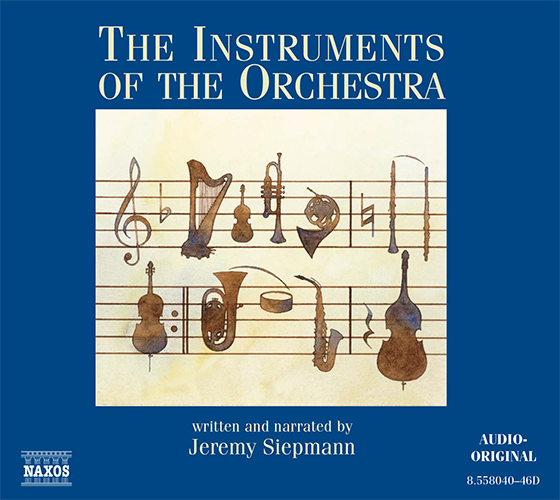

Author(s): Siepmann, Jeremy
Artist(s): Siepmann, Jeremy
Label: Naxos Educational
Genre: Music Education
Catalogue No: 8.558040-46
Barcode: 0636943804025
Release Date: 10/2002
 | Loading... |
Instruments of the Orchestra (The) (Siepmann)
Instruments of the orchestra, yes, but not just instruments in the orchestra. This is a set of portraits in depth, featuring individual instruments in many contexts (orchestral, chamber, folk, solo, operatic, cinematic, even jazz and avant-garde music) and in pieces from the Middle Ages to the present. Joining regular members are such exotic visitors as the eerie ondes martenot, the wind machine, banjos, bagpipes, coconuts, typewriters, six-shooters, taxi horns, and migrating swans – and the hundreds of examples range from illustrative snippets to entire movements. The first CD is devoted entirely to the violin, and the last to the greatest instrument of all, the orchestra itself.
Tracklist

Disc 1
Siepmann, Jeremy - Author

|
 |
1 | Wagner: Tannhauser: Overture | 02:06 |
|
|
2 | Anonymous: Domna, pos vos ay chausida | 00:28 |
|
|
3 | We don't merely use instruments, we play on them. And they play on us. | 01:19 |
|
|
4 | Brahms: Hungarian Dance No. 7 | 01:39 |
|
|
5 | The violin is one of the most tender and beautiful instruments ever invented. | 00:45 |
|
|
6 | Brahms: Violin Concerto in D Major: II. Adagio | 01:08 |
|
|
7 | But for a long time it was seen as the instrument of the devil. | 00:17 |
|
|
8 | Stravinsky: The Soldier's Tale: Triumphal March of the Devil | 00:45 |
|
|
9 | The manipulative seductiveness of the gypsy violin | 00:43 |
|
|
10 | Anonymous: Csardas Music | 03:33 |
|
|
11 | The violin and the imitation of nature | 00:23 |
|
|
12 | Vivaldi: The Four Seasons: Spring: I. Allegro | 00:35 |
|
|
13 | Birds are again evoked in the second concerto, especially music's natural favourite. | 00:09 |
|
|
14 | Vivaldi: The Four Seasons: Summer: I. Allegro non molto | 00:41 |
|
|
15 | Like the devil, the violin is a master of disguise. | 00:18 |
|
|
16 | Kreisler: Schon Rosmarin | 01:55 |
|
|
17 | The menacing sensuality of Ravel's Tzigane; a very different side of the violin: | 00:15 |
|
|
18 | Ravel: Tzigane | 00:51 |
|
|
19 | Do we now have the true measure of this instrument? Not just yet. | 00:15 |
|
|
20 | Paganini: Caprice No. 24 | 00:48 |
|
|
21 | Bach: Brandenburg Concerto No. 4: III. Presto / Schubert: Quartettsatz in C Minor | 01:57 |
|
|
22 | Britten: Variations on a Theme of Frank Bridge: VIII. Moto Perpetuo | 01:06 |
|
|
23 | Prokofiev's tremolo in Romeo and Juliet should not be heard just before bedtime | 00:22 |
|
|
24 | Prokofiev: Romeo and Juliet: Act IV | 00:46 |
|
|
25 | Vivaldi uses it to illustrate the shivering of travellers crossing the ice. | 00:14 |
|
|
26 | Vivaldi: The Four Seasons: Winter: I. Allegro non molto | 00:57 |
|
|
27 | The violin muted | 00:31 |
|
|
28 | Debussy: Clair de lune | 01:41 |
|
|
29 | The gentleness of muted strings persists even when a whole orchestra plays. | 00:30 |
|
|
30 | Mozart: Piano Concerto No. 21 in C Major, K. 467: II. Andante | 01:26 |
|
|
31 | The pizzicato violin | 00:38 |
|
|
32 | Strauss: Pizzicato Polka | 02:29 |
|
|
33 | In Prokofiev's Second Violin Concerto, the accompaniment is pizzicato. | 00:26 |
|
|
34 | Prokofiev: Violin Concerto No. 2 in G Minor: II. Andante assai | 02:02 |
|
|
35 | Kabalevsky: Colas Breugnon / Warlock: Capriol Suite: III. Tordion / Prokofiev: Romeo and Juliet: Act I | 03:09 |
|
|
36 | Holst: The Planets: I. Mars: The Bringer of War | 01:27 |
|
|
37 | Bach: Sonata No. 3 in C Major for unaccompanied violin: II. Fugue | 02:09 |
|
|
38 | Brahms: Hungarian Dance No. 4 | 03:51 |
|
|
39 | Double-stopping is a standard feature of a lot of folk music. | 00:14 |
|
|
40 | Vivaldi: The Four Seasons: Autumn: I. Allegro | 00:37 |
|
|
41 | Now the same technique, but the sound might have come from another world. | 00:30 |
|
|
42 | Ravel: Bolero | 00:49 |
|
|
43 | Double-stopping can only approximate the sound of a real violin duet. | 00:20 |
|
|
44 | Joachim: Cadenza to the Violin Concerto by Brahms | 00:44 |
|
|
45 | Now compare that with a real violin duet. | 00:12 |
|
|
46 | Bartok: 44 Duos: I. Teasing Song | 00:52 |
|
|
47 | Another duo by Bartok, demonstrating the violin's rich lower register | 00:10 |
|
|
48 | Bartok: 44 Duos: II. Maypole Dance | 00:40 |
|
|
49 | And now what may be the most beautiful accompanied violin duet in history | 00:17 |
|
|
50 | Bach: Concerto in D Minor for two violins: II. Largo ma non tanto | 06:43 |
|
|
51 | The soul of the violin is in song; but what about this weird passage? | 00:42 |
|
|
52 | Prokofiev: Violin Concerto No. 1 in D Major: II. Scherzo | 00:34 |
|
|
53 | The use of harmonics in the orchestra can be both magical and unsettling. | 00:29 |
|
|
54 | Mahler: Symphony No. 1, "Titan": I. Langsam, schleppend (opening) | 01:33 |
|
|
55 | Tchaikovsky's use of harmonics in The Sleeping Beauty is both strange and daring. | 00:11 |
|
|
56 | Tchaikovsky: The Sleeping Beauty: Act II, No. 15: Entr'acte | 00:33 |
|
|
57 | Ravel's harmonics in Mother Goose effect a magical transformation. | 00:29 |
|
|
58 | Ravel: Ma Mere l'oye (Mother Goose): IV. Beauty and the Beast | 00:36 |
|
|
59 | Stravinsky: The Firebird: Introduction | 00:32 |
|
|
60 | The natural upper notes of the violins have a unique emotional "grab" | 00:32 |
|
|
61 | Strauss: Also sprach Zarathustra: Of the Afterworldsmen | 00:55 |
|
|
62 | Still in their upper register, the violins unleash the energy of a young colt. | 00:14 |
|
|
63 | Britten: Variations on a Theme of Frank Bridge: V. Aria Italiana | 01:10 |
|
|
64 | Elsewhere, Britten uses the same high register to create a very different mood. | 00:11 |
|
|
65 | Britten: Peter Grimes: 4 Sea Interludes, Op. 33a: I. Dawn | 01:08 |
|
|
66 | To end this outing with the violins, a charming little elfin dance | 00:12 |
|
|
67 | Hellmesberger: Elfenreigen | 01:29 |
Disc 2
|
|
1 | Introduction to the viola | 00:42 |
|
|
2 | Telemann: Viola Concerto: I. Largo | 02:46 |
|
|
3 | Khachaturian gets a very different sound from it: fuller, fruitier, more exotic. | 00:14 |
|
|
4 | Khachaturian: Gayane Suite No. 1: III. Armen's Solo | 01:15 |
|
|
5 | Very nearly the whole of the violin's upper register is also available to the viola. | 00:39 |
|
|
6 | Britten: Peter Grimes: Passacaglia, Op. 33b | 01:00 |
|
|
7 | Strauss: Don Quixote | 01:03 |
|
|
8 | Berlioz: Harold in Italy: IV. Orgy of Brigands | 02:00 |
|
|
9 | The muted viola: intimate, gentle, poignant in Dvorak | 00:34 |
|
|
10 | Dvorak: Cypresses: IX. Thou Only Dear One | 03:00 |
|
|
11 | The massed violas of the modern symphony orchestra in Mahler | 00:40 |
|
|
12 | Mahler: Symphony No. 4: III. Ruhevoll, poco adagio | 01:13 |
|
|
13 | The "period" viola in Bach | 01:05 |
|
|
14 | Bach: Brandenburg Concerto No. 6: III. Allegro | 05:18 |
|
|
15 | The cello: a voice of unique nobility | 00:28 |
|
|
16 | Bach: Suite No. 1 for unaccompanied cello: I. Prelude | 02:30 |
|
|
17 | Brahms and the "soul" of the cello | 00:19 |
|
|
18 | Brahms: Piano Concerto No. 2 in B-Flat Major: III. Andante | 01:04 |
|
|
19 | Most orchestral composers tend to emphasise the cello's lower register. | 00:27 |
|
|
20 | Bach: Herz und Mund und Tat und Leben, BWV 147: Aria: Bereite dir, Jesu | 03:03 |
|
|
21 | In the time of Beethoven the cello remained as fundamental as ever. | 00:14 |
|
|
22 | Beethoven: Symphony No. 3 "Eroica": IV. Finale | 00:46 |
|
|
23 | But the cello is not condemned to spend its life in the basement. | 00:33 |
|
|
24 | Popper: Elfentanz, Op. 39 | 02:55 |
|
|
25 | Not only in recital showpieces like that is the cello used in its highest register. | 00:10 |
|
|
26 | Tavener: The Protecting Veil: opening | 02:54 |
|
|
27 | A cello with an identity-crisis: the pizzicato Flamencan | 00:15 |
|
|
28 | Tagell: Flamenco | 02:48 |
|
|
29 | Double-stopping in the lower reaches of the cello's range | 00:31 |
|
|
30 | Cassado: Solo Suite for Cello and Piano: Sardana | 01:08 |
|
|
31 | It's in its middle register that the cello really comes into its own. | 00:21 |
|
|
32 | Rachmaninov: Oriental Dance, Op. 2, No. 2 | 01:32 |
|
|
33 | Beethoven: Symphony No. 5: II. Andante con moto | 00:54 |
|
|
34 | Beethoven: Symphony No. 9: IV. Finale | 00:54 |
|
|
35 | Introduction to the double-bass | 00:43 |
|
|
36 | Saint-Saens: The Carnival of the Animals: The Elephant | 01:32 |
|
|
37 | But the double-bass can be intensely expressive and graceful. | 00:10 |
|
|
38 | Bottesini: Elegy No. 1 in D Major | 02:37 |
|
|
39 | Bottesini: Allegro di concerto, "Alla Mendelssohn" | 00:47 |
|
|
40 | Bottesini: Capriccio di bravura | 04:42 |
|
|
41 | Mahler: Symphony No. 1, "Titan": III. Feierlich und gemessen, ohne zu schleppen / Mahler: Symphony No. 3: I. Kräftig | 01:33 |
|
|
42 | Prokofiev: Lieutenant Kije Suite: III. Kije's Wedding / Prokofiev: Romeo and Juliet: Act III | 02:25 |
|
|
43 | Beethoven: Symphony No. 5: III. Allegro | 01:20 |
Disc 3
|
|
1 | The antiquity and magic of the flute | 00:20 |
|
|
2 | Debussy: Prélude à l'après-midi d'un faune | 03:19 |
|
|
3 | The versatility and agility of the flute | 00:21 |
|
|
4 | Bach: Orchestral Suite No. 2 in B Minor: VII. Badinerie | 01:18 |
|
|
5 | The flute in fifteenth-century Spain | 00:24 |
|
|
6 | Anonymous: Sa'dawi | 00:55 |
|
|
7 | Other flutes: the bass and alto | 00:29 |
|
|
8 | Sallinen: Chamber Music II | 01:12 |
|
|
9 | The Piccolo - aptly named | 00:19 |
|
|
10 | Rameau: La Naissance d'Osiris: VI. Premier et deuxieme tambourin | 00:47 |
|
|
11 | From a piccolo of the eighteenth century to one of its descendants in the twentieth | 00:09 |
|
|
12 | Stravinsky: Suite No. 2 for Small Orchestra: II. Valse | 00:54 |
|
|
13 | A variety of techniques | 00:19 |
|
|
14 | Sallinen: Chamber Music II | 00:31 |
|
|
15 | Flutter-tonguing. But Tchaikovsky got there eighty years before. | 00:28 |
|
|
16 | Tchaikovsky: The Nutcracker: Act II, No. 2: Scene | 00:44 |
|
|
17 | From the transverse to the vertical: the Baroque recorder | 00:40 |
|
|
18 | Telemann: Recorder Suite in A Minor: Menuet II | 02:12 |
|
|
19 | An unfamiliar, early vision of the instrument | 00:23 |
|
|
20 | Baston: Naelden, Naelden | 01:09 |
|
|
21 | The Bachian oboe | 00:35 |
|
|
22 | Bach: Ein feste Burg ist unser Gott, BWV 80: Duetto: Wie selig sind doch die | 03:34 |
|
|
23 | Introduction to the cor anglais or 'English horn' | 00:41 |
|
|
24 | Dvorak: Symphony No. 9, "From the New World": II. Largo | 01:24 |
|
|
25 | The loneliness of the cor anglais | 00:11 |
|
|
26 | Sibelius: The Swan of Tuonela | 01:49 |
|
|
27 | The cor anglais joins the French horn in Haydn. | 00:17 |
|
|
28 | Haydn: Symphony No. 22, "The Philosopher": I. Adagio | 01:43 |
|
|
29 | Introduction to the oboe d'amore, beloved of Bach - but also of Ravel | 00:22 |
|
|
30 | Ravel: Bolero | 00:50 |
|
|
31 | Herrmann: The Egyptian: Violence / Janacek: Taras Bulba: The Death of Ostap | 00:37 |
|
|
32 | Stravinsky: Petrushka: Peasant with Bear / Berlioz: Symphonie fantastique: V. Songe d'une nuit / Prokofiev: Romeo and Juliet: Act II | 01:38 |
|
|
33 | As the high clarinets tend to be loud, so the bass tends to be soft | 00:18 |
|
|
34 | Khachaturian: Gayane Suite No. 1: V. Gayane's Solo | 00:54 |
|
|
35 | Stravinsky: Petrushka: The Blackamoor / Albeniz: Iberia: Almeria | 01:44 |
|
|
36 | The range of the normal clarinet parts goes quite high... | 00:14 |
|
|
37 | Tchaikovsky: The Snow Maiden: Scene 5: Melodrama | 01:17 |
|
|
38 | ....and quite low. | 00:05 |
|
|
39 | Prokofiev: Peter and the Wolf: The Cat | 00:45 |
|
|
40 | The clarinet as concerto soloist | 00:19 |
|
|
41 | Mozart: Clarinet Concerto in A Major: III. Rondo | 02:48 |
|
|
42 | But that's not the instrument Mozart wrote it for; this is: | 00:16 |
|
|
43 | Mozart: Clarinet Concerto in A Major: III. Rondo | 02:47 |
|
|
44 | Introduction to the saxophone | 02:47 |
|
|
45 | Kodaly: Háry János Suite: IV. The Battle and Defeat of Napoleon | 01:03 |
|
|
46 | The soprano saxophone has quite a different feel to it | 00:09 |
|
|
47 | Bizet: L'Arlesienne Suite No. 1: II. Minuet | 01:17 |
|
|
48 | The little sopranino sax goes even higher | 00:12 |
|
|
49 | Ravel: Bolero | 00:53 |
|
|
50 | The most famous use of the saxophone is in an orchestration by Ravel | 00:16 |
|
|
51 | Mussorgsky: Pictures at an exhibition: The Old Castle | 00:55 |
|
|
52 | The saxophone can be quite contagiously good-humoured. | 00:11 |
|
|
53 | Wiedoeft: Sax-o-phun | 00:22 |
|
|
54 | The puffa-puffa image of the bassoon | 00:25 |
|
|
55 | Prokofiev: Peter and the Wolf: Grandfather | 00:46 |
|
|
56 | The Bachian bassoon, in accompanimental mode | 00:20 |
|
|
57 | Bach: Weichet nur, betrubte Schatten, BWV 202, "Wedding Cantata": Aria No. 1 | 01:19 |
|
|
58 | Bizet: Carmen Suite No. 1: V. Les Dragons d'Alcala | 00:56 |
|
|
59 | And Ravel, also in Spanish mode, does likewise | 00:16 |
|
|
60 | Ravel: Bolero | 00:59 |
|
|
61 | The bassoon as a voice of high seriousness, indeed desolate loneliness | 00:15 |
|
|
62 | Bax: Symphony No. 3: I. Lento moderato | 01:03 |
|
|
63 | The eerie bassoon in its highest register | 00:15 |
|
|
64 | Stravinsky: The Rite of Spring: opening | 00:58 |
|
|
65 | Stravinsky now draws on its lowest register, lonely and melancholy. | 00:21 |
|
|
66 | Stravinsky: The Firebird Suite (1919): Berceuse | 01:01 |
|
|
67 | The bassoon as concerto soloist, avoiding all exaggeration | 00:14 |
|
|
68 | Molter: Bassoon Concerto in G Minor: III. — | 02:02 |
|
|
69 | The deep-voiced contra-bassoon, as a fairy-tale beast | 00:28 |
|
|
70 | Ravel: Ma Mere l'oye (Mother Goose): IV. Beauty and the Beast | 01:30 |
|
|
71 | The French Horn under its woodwind hat | 00:25 |
|
|
72 | Nielsen: Wind Quintet, Op. 43: III. Praeludium - Tema con variazioni | 01:42 |
|
|
73 | Now a more prominent role, in a woodwind quintet from an earlier era | 00:12 |
|
|
74 | Reicha: Wind Quintet in A Minor, Op. 100, No. 5: II. Andante con variazioni | 01:32 |
|
|
75 | The horn in harmonious blend with strings in another quintet | 00:16 |
|
|
76 | Mozart: Horn Quintet in E-Flat Major, K. 407: III. Rondeau | 03:55 |
Disc 4
|
|
1 | The Trumpet as virtuoso soloist | 01:02 |
|
|
2 | Bach: Brandenburg Concerto No. 2: III. Allegro assai | 02:37 |
|
|
3 | The special brilliance of paired trumpets | 00:19 |
|
|
4 | Vivaldi: Concerto in C for two trumpets, RV 537: I. Allegro | 02:54 |
|
|
5 | The ceremonial trumpet | 00:36 |
|
|
6 | Copland: Fanfare for the Common Man | 01:25 |
|
|
7 | Trumpets and drums - an incomparable alliance | 00:34 |
|
|
8 | Handel: Messiah: The Trumpet Shall Sound | 04:10 |
|
|
9 | The versatility of the trumpet, from the most public to the most lonely | 00:38 |
|
|
10 | Gershwin: Piano Concerto in F: II. Andante con moto - Adagio | 01:14 |
|
|
11 | Gershwin: An American in Paris / Stravinsky: The Soldier's Tale: The March | 02:05 |
|
|
12 | Bizet: Carmen Suite No. 2: II. Habanera | 00:55 |
|
|
13 | The trumpet as the voice of strength and courage | 00:13 |
|
|
14 | Bizet: Carmen Suite No. 2: IV. Toreador's Song | 02:20 |
|
|
15 | Stravinsky: Petrushka: The Blackamoor / Prokofiev: Lieutenant Kije Suite: I. The Birth of Kije | 01:14 |
|
|
16 | Copland: Billy the Kid | 01:16 |
|
|
17 | The trumpet as character actor | 00:31 |
|
|
18 | Mussorgsky: Pictures at an Exhibition: Samuel Goldenberg and Schmuyle | 02:25 |
|
|
19 | The trumpet as the voice of God | 00:15 |
|
|
20 | Bach: Mass in B minor: Et expecto | 04:35 |
|
|
21 | The birth of the trombone | 00:38 |
|
|
22 | Anonymous: Aenmerckt nu hier | 01:36 |
|
|
23 | The birth of the brass as a family | 01:24 |
|
|
24 | Gabrieli: Canzon a 12 in Double Echo | 03:18 |
|
|
25 | The trombone in the eighteenth century | 00:36 |
|
|
26 | Albrechtsberger: Trombone Concerto in B-Flat Major: III. Finale | 03:06 |
|
|
27 | Hoser: Romance for trombone and organ / Berlioz: Requiem: Dies Irae | 02:18 |
|
|
28 | Liszt: Hosannah, S677/R409 | 01:20 |
|
|
29 | The trombones become part of the orchestra | 00:47 |
|
|
30 | Beethoven: Symphony No. 5: IV. Allegro | 02:46 |
|
|
31 | Wagner: Tannhauser: Overture | 01:04 |
|
|
32 | The Trombone as caricaturist | 00:13 |
|
|
33 | Stravinsky: Pulcinella: No. 19: Vivo | 01:37 |
|
|
34 | Bartok: Concerto for Orchestra: IV. Intermezzo interrotto | 01:46 |
|
|
35 | The horn and the hunt | 00:40 |
|
|
36 | Mozart: Horn Concerto No. 4 in E flat, K. 495: III. Rondo | 03:39 |
|
|
37 | The challenging horn of the Baroque | 00:42 |
|
|
38 | Rameau: Abaris ou les Boréades: II. Menuet | 01:20 |
|
|
39 | The scarcity of first-rate players in Handel's time | 00:24 |
|
|
40 | Handel: Water Music: Suite No. 1 in F Major, HWV 348: Menuet | 01:57 |
|
|
41 | Stravinsky: The Firebird Suite (1919): Finale | 00:59 |
|
|
42 | Horns and the sound of nobility | 00:12 |
|
|
43 | Wagner: Tannhauser: Overture (opening) | 00:56 |
|
|
44 | The special sound of the horn in its higher register | 00:11 |
|
|
45 | Bach: Mass in B Minor: Quoniam tu solus sanctus | 04:15 |
|
|
46 | The trumpet-like sound of massed horns | 00:21 |
|
|
47 | Mahler: Symphony No. 3: I. Kräftig (opening) | 00:38 |
|
|
48 | The tuba - unfairly maligned? | 00:49 |
|
|
49 | Prokofiev: Symphony No. 6: III. Vivace | 01:07 |
|
|
50 | The tuba perfectly cast by Ravel | 00:26 |
|
|
51 | Mussorgsky: Pictures at an Exhibition: Bydlo | 03:00 |
Disc 5
|
|
1 | Introduction. And we begin with a bang. | 01:02 |
|
|
2 | Copland: Fanfare for the Common Man / Beethoven: Wellington's Victory, Op. 91 (opening) | 01:03 |
|
|
3 | At the opposite extreme is the triangle. | 00:26 |
|
|
4 | Liszt: Piano Concerto No. 1 in E-Flat Major: Scherzo | 01:21 |
|
|
5 | Categories of percussion: tuned and untuned. The side drum | 00:36 |
|
|
6 | Rossini: La gazza ladra (The Thieving Magpie): Overture (opening) | 00:52 |
|
|
7 | Nielsen: Clarinet Concerto (opening) | 01:08 |
|
|
8 | The tambourine. One of the oldest instruments in the world | 00:21 |
|
|
9 | Anonymous: Den hoboecken dans | 01:43 |
|
|
10 | Even older is the originally oriental gong. | 00:28 |
|
|
11 | Ravel: Ma Mere l'oye (Mother Goose): Laideronette | 01:00 |
|
|
12 | Britten: Peter Grimes: Passacaglia, Op. 33b | 01:00 |
|
|
13 | Satie: Gymnopedie No. 2 | 01:02 |
|
|
14 | Elgar: The Sanguine fan / Cymbals clashed softly / Cymbals struck singly / Cymbals stroked with wire brushes | 01:28 |
|
|
15 | Ravel: Piano Concerto in G Major (opening) / Tchaikovsky: The Nutcracker: Act I Scene 5 | 01:05 |
|
|
16 | Wood blocks | 00:31 |
|
|
17 | Copland: Rodeo: IV. Hoe-Down | 00:44 |
|
|
18 | Glinka: Jota aragonesa | 01:09 |
|
|
19 | Monteverdi: Scherzi musicali: Damigella tutta bella | 01:50 |
|
|
20 | A still earlier example from fifteenth-century Spain | 00:30 |
|
|
21 | Traditional: Yo m'enamori d'un aire | 01:06 |
|
|
22 | The birth of the bongo | 00:33 |
|
|
23 | Bernstein: West Side Story (Symphonic Dances) | 01:39 |
|
|
24 | Verdi: II Trovatore: Act II: Anvil Chorus | 01:08 |
|
|
25 | Grofe: Grand Canyon Suite: III. On the Trail / Varese: Arcana | 01:27 |
|
|
26 | Moncayo: Huapango | 01:20 |
|
|
27 | Onwards to the tuned percussion. First, the timpani | 00:14 |
|
|
28 | Strauss: Also sprach Zarathustra: Introduction | 01:48 |
|
|
29 | Mahler: Symphony No. 2, "Resurrection'": III. In ruhig fliessender Bewegung | 00:29 |
|
|
30 | Grofe: Grand Canyon Suite: I. Sunrise / Berlioz: Symphonie fantastique: V. Songe d'une nuit de Sabbat | 00:37 |
|
|
31 | Taking advantage of tunability | 00:22 |
|
|
32 | Bartok: Music for Strings, Percussion and Celesta: II. Allegro | 02:25 |
|
|
33 | Shchedrin: Carmen Suite: IV. Changing of the Guard | 01:01 |
|
|
34 | Shchedrin: Carmen Suite: V. Carmen's Entrance and Habanera | 01:15 |
|
|
35 | Saint-Saens and the xylophone | 00:16 |
|
|
36 | Saint-Saens: The Carnival of the Animals: Fossils | 01:18 |
|
|
37 | Ravel and the xylophone | 00:11 |
|
|
38 | Ravel: Ma Mere l'oye (Mother Goose): Laideronette | 02:37 |
|
|
39 | Shchedrin: Carmen Suite: III. First Intermezzo | 00:38 |
|
|
40 | Introducing the vibraphone | 00:20 |
|
|
41 | Steiner: The Treasure of the Sierra Madre: Narange dolce | 01:25 |
|
|
42 | Shchedrin: Carmen Suite: V. Carmen's Entrance and Habanera | 00:57 |
|
|
43 | Introducing the Hungarian cimbalom | 00:23 |
|
|
44 | Traditional: Folk Dances | 03:00 |
|
|
45 | The cimbalom and the symphony orchestra | 00:10 |
|
|
46 | Kodaly: Háry János Suite : III. Song | 01:30 |
|
|
47 | Introducing the tubular bells | 00:17 |
|
|
48 | Kodaly: Háry János Suite: II. Viennese Musical Clock | 02:04 |
|
|
49 | A more "up-front" approach from Rodion Shchedrin | 00:06 |
|
|
50 | Shchedrin: Carmen Suite: I. Introduction | 01:08 |
|
|
51 | Vaughan Williams: Symphony No. 7, "Sinfonia antartica": I. Prelude | 00:38 |
|
|
52 | Introducing the celesta | 00:14 |
|
|
53 | Tchaikovsky: The Nutcracker: Dance of the Sugar Plum Fairy | 02:10 |
|
|
54 | Magic, in the use of collective percussion | 00:19 |
|
|
55 | Ravels: Miroirs: V. La vallee des cloches | 01:39 |
|
|
56 | Shchedrin: Carmen Suite: VI. Scene | 01:25 |
|
|
57 | Tchaikovsky: The Nutcracker: Act II: Scene / Liszt: Hungarian Rhapsody No. 1 | 01:16 |
|
|
58 | The traditionally subservient role of the harpsichord in the Baroque orchestra | 00:48 |
|
|
59 | Bach: Brandenburg Concerto No. 2: II. Andante | 03:11 |
|
|
60 | Saint-Saens: Symphony No. 3, "Organ": II. Allegro moderato | 01:28 |
|
|
61 | Stravinsky: Petrushka: Russian Dance | 01:28 |
|
|
62 | The anti-Romantic piano as an integral part of the orchestra | 00:23 |
|
|
63 | Bartok: Music for Strings, Percussion and Celesta: IV. Allegro molto | 05:06 |
Disc 6
|
|
1 | Keyboard instruments in the orchestra - the most powerful of them all: | 00:18 |
|
|
2 | Saint-Saens: Symphony No. 3, "Organ": II. Presto | 01:49 |
|
|
3 | But things in Handel's day were very different. | 00:15 |
|
|
4 | Handel: Organ Concerto in B-Flat Major, Op. 4, No. 3: IV. Gavotte | 03:44 |
|
|
5 | The organ is difficult to classify. | 00:24 |
|
|
6 | An unexpected, organ-related guest | 00:14 |
|
|
7 | Boismortier: Concerto pour Zampogna: III. Allegro | 00:14 |
|
|
8 | Peasant-fancying… and a touch of the roaming cowboy | 00:40 |
|
|
9 | Schoenberg: Les Miserables: Drink with Me | 01:02 |
|
|
10 | Mozart: German Dance, K. 603, No. 3 | 01:16 |
|
|
11 | Mahler: Symphony No. 4: I. Bedachtig, nicht eilen | 00:47 |
|
|
12 | Mahler: Symphony No. 6, "Tragic": I. Heftig, aber markig | 00:53 |
|
|
13 | Anderson: The Typewriter / Satie: Parade | 02:46 |
|
|
14 | Varese: Integrales / Gershwin: An American in Paris / Anderson: Sandpaper Ballet | 02:35 |
|
|
15 | Vaughan Williams: Symphony No. 7, "Sinfonia antartica": I. Prelude | 01:42 |
|
|
16 | Strauss: Don Quixote: Variation VIII | 01:13 |
|
|
17 | Rodrigo: Concierto de Aranjuez: III. Allegro gentile | 00:56 |
|
|
18 | Seeger / Hays: Washington Breakdown | 00:19 |
|
|
19 | Steiner: The Treasure of the Sierra Madre: Packing Up | 00:18 |
|
|
20 | Prokofiev: Romeo and Juliet: Act II: No. 14 | 00:13 |
|
|
21 | Steiner: The Treasure of the Sierra Madre: EI Desayuno | 00:18 |
|
|
22 | The bongos and the congas and a whole wealth of other drums from Africa and Central America | 00:26 |
|
|
23 | Evening Raga: Bhapoli | 00:17 |
|
|
24 | Ferre: Paris cancaille | 00:20 |
|
|
25 | Karas: The Third Man: Theme | 00:25 |
|
|
26 | Traditional: Folk Dances | 00:21 |
|
|
27 | Albeniz: Rondena | 01:20 |
|
|
28 | Traditional: Svetit Mesiats | 01:02 |
|
|
29 | Vaughan Williams: Symphony No. 7, "Sinfonia antartica": I. Prelude | 01:27 |
|
|
30 | Debussy: Nocturnes: III. Sirenes | 04:15 |
|
|
31 | Instruments and the imitation of nature. The clarinet as cuckoo | 01:46 |
|
|
32 | Saint-Saens: The Carnival of the Animals: The Cuckoo | 01:46 |
|
|
33 | The flute as an all-purpose aviary | 00:14 |
|
|
34 | Saint-Saens: The Carnival of the Animals: The Aviary | 01:08 |
|
|
35 | The oboe as duck | 00:36 |
|
|
36 | Prokofiev: Peter and the Wolf: The Duck | 01:55 |
|
|
37 | The recording of reality. Does it work as well? | 00:12 |
|
|
38 | Respighi: The Pines of Rome: III. The Pines of the Janiculum | 01:17 |
|
|
39 | The recording of reality electronically reborn in new guises | 00:32 |
|
|
40 | Rautavaara: Cantus Arcticus, "Concerto for Birds and Orchestra": II. Melankolia (Melancholy) | 01:12 |
|
|
41 | Beethoven turns avian: cuckoo, nightingale, and quail | 00:26 |
|
|
42 | Beethoven: Symphony No. 6, "Pastoral": II. Szene am Bach | 01:12 |
|
|
43 | Some importable casting: the violin as braying donkey | 00:33 |
|
|
44 | Saint-Saens: The Carnival of the Animals: Persons with Long Ears | 00:47 |
|
|
45 | A truly orchestral hee-haw to be reckoned with | 00:09 |
|
|
46 | Mendelssohn: A Midsummer Night's Dream: Overture | 00:29 |
|
|
47 | A thunderstorm in a million | 00:17 |
|
|
48 | Beethoven: Symphony No. 6, "Pastoral": IV. Gewitter, Sturm | 03:57 |
|
|
49 | The instrumental depiction of a silent world | 02:07 |
|
|
50 | Saint-Saens: The Carnival of the Animals: The Aquarium | 02:20 |
|
|
51 | Saint-Saens' menagerie takes a curtain call | 00:24 |
|
|
52 | Saint-Saens: The Carnival of the Animals: Finale | 02:09 |
Disc 7
|
|
1 | The grouping of instrumental families. An additive approach. First, two violins. | 01:20 |
|
|
2 | Bartok: 44 Duos: IV. Midsummer Night Song | 00:47 |
|
|
3 | A greater contrast, of both pitch and character, violin and viola | 00:27 |
|
|
4 | Mozart: Duo for Violin and Viola in B-Flat Major, K. 424: finale: variations 1 and 2 | 02:18 |
|
|
5 | Arrival at the standard string trio: violin, viola and cello | 00:12 |
|
|
6 | Schubert: String Trio in B-Flat Major: III. Menuetto | 01:09 |
|
|
7 | The string quartet: two violins, viola and cello | 00:12 |
|
|
8 | Beethoven: String Quartet in F Major, Op. 18, No. 1: III. Scherzo | 01:53 |
|
|
9 | The string quintet - when the extra instrument is a second viola | 00:30 |
|
|
10 | Mozart: String Quintet No. 5 in D Major, K. 593: II. Adagio | 02:21 |
|
|
11 | The string quintet - when the extra instrument is a second cello | 00:19 |
|
|
12 | Schubert: String Quintet in C Major: III. Scherzo | 02:12 |
|
|
13 | The string sextet: two violins, two violas, and two cellos | 00:16 |
|
|
14 | Brahms: String Sextet No. 1 in B-Flat Major: II. Andante ma moderato | 01:27 |
|
|
15 | The string octet: the standard string quartet times two | 00:20 |
|
|
16 | Mendelssohn: Octet in E-Flat Major, Op. 20: movement 1 | 02:16 |
|
|
17 | Double the string octet: a fully fledged string orchestra | 00:15 |
|
|
18 | Mendelssohn: String Symphony No. 2: III. Allegro vivace | 02:12 |
|
|
19 | The massed strings of a symphony orchestra | 00:37 |
|
|
20 | Vaughan Williams: Fantasia on a Theme of Thomas Tallis | 02:58 |
|
|
21 | Contrasts of pitch and instrumental 'colour' in the woodwind section | 00:44 |
|
|
22 | Reicha: Wind Quintet in A Minor, Op. 100, No. 5: Theme | 01:10 |
|
|
23 | In the First Variation it's the horn that gets the lion's share | 00:05 |
|
|
24 | Reicha: Wind Quintet in A Minor, Op. 100, No. 5: Variation 1 | 01:28 |
|
|
25 | In Variation Two the torch is handed to the bassoon | 00:07 |
|
|
26 | Reicha: Wind Quintet in A Minor, Op. 100, No. 5: Variation 2 | 01:08 |
|
|
27 | In Variation Three the oboe leads | 00:13 |
|
|
28 | Reicha: Wind Quintet in A Minor, Op. 100, No. 5: Variation 3 | 01:12 |
|
|
29 | Variation Four: conversation before returning to a solo-dominated texture | 00:07 |
|
|
30 | Reicha: Wind Quintet in A Minor, Op. 100, No. 5: Variation 4 | 01:17 |
|
|
31 | And Variation Five is dominated by the clarinet | 00:04 |
|
|
32 | Reicha: Wind Quintet in A Minor, Op. 100, No. 5: Variation 5 | 01:12 |
|
|
33 | The next to be featured is the virtuoso flute. | 00:07 |
|
|
34 | Reicha: Wind Quintet in A Minor, Op. 100, No. 5: Variation 6 | 01:22 |
|
|
35 | Individual farewells and a closing chorus | 00:19 |
|
|
36 | Reicha: Wind Quintet in A Minor, Op. 100, No. 5: Variation 7 | 00:40 |
|
|
37 | A mixed group: clarinet, bassoon, horn, string quartet, and double-bass | 00:19 |
|
|
38 | Schubert: Octet in F Major, D. 803: III. Trio | 02:01 |
|
|
39 | The early classical symphony orchestra of Haydn and Mozart | 00:34 |
|
|
40 | Mozart: Symphony No. 29 in A Major, K. 201: IV. Allegro con spirito | 03:32 |
|
|
41 | Strings, wind, but no brass. What Haydn and Mozart never knew | 00:34 |
|
|
42 | Gabrieli: Canzon 28 | 01:39 |
|
|
43 | Beethoven's Fifth: two horns, two trumpets, and three trombones join the team | 00:58 |
|
|
44 | Beethoven: Symphony No. 5: IV. Allegro | 04:28 |
|
|
45 | From Beethoven to the massive orchestras of Berlioz, Wagner, and Mahler | 00:27 |
|
|
46 | Beethoven changed the face of the symphony and the orchestra forever. | 00:47 |
|
|
47 | Mahler: Symphony No. 6, "Tragic": I. Heftig, aber markig | 01:44 |
|
|
48 | The cult of orchestral elephantiasis reaches its peak | 01:04 |
|
|
49 | Brian: Symphony No. 1, "Gothic": VI. Te ergo quaesumus | 01:43 |
|
|
50 | When large doesn't necessarily mean loud: Debussy | 01:10 |
|
|
51 | Debussy: Images: I. Gigues | 01:50 |
|
|
52 | A crisis of confidence; the orchestra's survival hangs in the balance, but it still develops. The ondes martenot: | 02:41 |
|
|
53 | Messiaen: Turangalila Symphony: II. Chant d'amour I | 01:14 |
|
|
54 | The advent of the "early music" movement brings a new vitality and freshness | 00:57 |
|
|
55 | Lully: Ballet de Xerxes: Gavotte en rondeau | 00:47 |
|
|
56 | Computer and synthesiser: friends or foes? | 01:35 |
|
|
57 | Bach: Concerto in D Minor for two violins: II. Largo ma non tanto | 02:13 |
|
|
58 | Bach: Mass in B Minor: Dona nobis pacem | 03:24 |
Total Playing Time: 07:55:17
Loading...