
 Translate
































 | Loading... |
SCHUMANN, R.: Music for Violin and Piano (Irnberger, Demus)
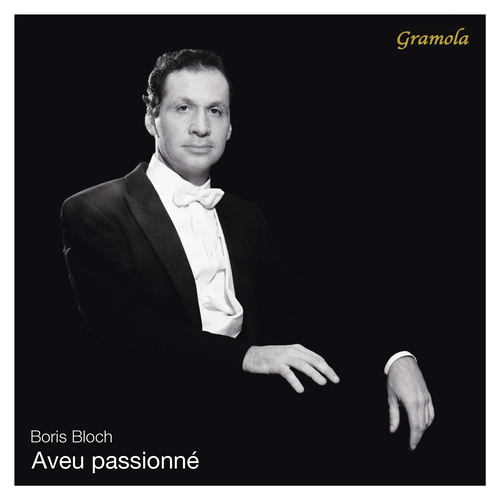
Passionate Confession
At a certain point, it became clear to me that I should pause and reflect upon the repertoire I have acquired, the concepts I have developed, and the aesthetic insights I have gained. Ten years ago, I began to record my interpretations of works which have either been my constant companions or which, for various reasons, seemed to me particularly worthy of attention. This is how the CDs with works by Chopin and Liszt came into being, whose 200th birthdays we celebrated extensively in 2010 and 2011, respectively.
The Liszt CD, which was honoured with an award of distinction by the Liszt Society in Budapest, was particularly interesting in this regard, as it contained works that are, on the one hand, rarely performed, and on the other, occupy a significant place in Liszt’s oeuvre–such as the Six Grand Études after Paganini, and in the Busoni edition, no less.
I dedicated the Chopin CD, which was highly praised by the eminent literary critic Marcel Reich-Ranicki, to the memory of his wife, Theophila, who had passed away shortly before, for Chopin’s music played an enormous role in both of their lives.
It was also very important to me to record my performances of four of Beethoven’s most famous sonatas: the “Pathétique,” “Moonlight,” “Waldstein,” and “Appassionata.” Thus, the Beethoven double-CD was created, which, in addition to the aforementioned sonatas, also contains the Fantasy op. 77, the 32 Variations in C minor, WoO 80, and the Sonata op. 10 no. 2.
These three composers, along with Mozart, Schubert, Bach, Scarlatti, Rachmaninoff, and Tchaikovsky, hold the most important place in my repertoire. In this edition, however, I could only provide a selection thereof, as a large portion of Franz Liszt’s works have already been released on six CDs by the Viennese record company Gramola, and include, among others, all three volumes of the “Années de Pèlerinage” and the cycle “Harmonies poétiques et religieuses.”
This CD edition, as well as the most recent CD created under the number 10, bears the name “Aveu passionné,” on the one hand because of the Tchaikovsky piece of the same title (“Passionate Confession”), and on the other, because of my most profound connection to all the works gathered here.
“Of his diligence,” it says in Lessing’s “Hamburg Dramaturgy,” “everyone may boast.” Well then: this edition documents nothing more and nothing less than the eternal and unattainable goal of reaching for the stars. Underlying all art is the desire to burst the boundaries of human life in order to attain higher understanding.
Robert Musil posed the question: “What remains of art?” He answered it himself succinctly: “We remain, as changed beings.”
Boris Bloch
Tracklist

|
 |
1 | Keyboard Sonata in C Major, K.514/L.1/P.389 | 02:52 |
|
|
2 | Keyboard Sonata in F Minor, K.19/L.383/P.75 | 03:39 |
|
|
3 | Keyboard Sonata in F-Sharp Major, K.319/L.35/P.303 | 04:06 |
|
|
4 | Keyboard Sonata in G Major, K.146/L.349/P.106 | 02:55 |
|
|
5 | Keyboard Sonata in G Major, K. 470/L.304/P.379 | 05:01 |
|
|
6 | Keyboard Sonata in G Major, K.547/L.S28/P.551 | 04:04 |
|
|
7 | Keyboard Sonata in B Minor, K.27/L.449/P.83 | 03:12 |
|
|
8 | Keyboard Sonata in D Major, K.491/L.164/P.484 | 05:23 |
|
|
9 | Keyboard Sonata in D Major, K.492/L.14/P.443 | 04:09 |
|
|
10 | Keyboard Sonata in D Minor, K.1/L.366/P.57 | 02:04 |
|
|
11 | Keyboard Sonata in E Major, K.380/L.23/P.483 | 04:12 |
|
|
12 | Keyboard Sonata in E Major, K.381/L.225/P.323 | 04:19 |
|
|
13 | Keyboard Sonata in E Major, K.20/L.375/P.76 | 03:14 |
|
|
14 | Keyboard Sonata in A Minor, K.54/L.241/P.147 | 04:57 |
|
|
15 | Keyboard Sonata in A Minor, K.3/L.378/P.59 | 03:07 |
|
|
16 | Keyboard Sonata in E Minor, K.394/L.275/P.349 | 05:53 |
|
|
17 | Keyboard Sonata in G Major, K.454/L.184/P.423 | 04:43 |
|
|
1 | Toccata in D Major, BWV 912 | 13:11 |
|
|
2 | Prelude No. 5 in D Major, BWV 850 | 01:20 |
|
|
3 | Fugue No. 5 in D Major, BWV 850 | 02:22 |
|
|
4 | Prelude No. 6 in D Minor, BWV 851 | 02:09 |
|
|
5 | Fugue No. 6 in D Minor, BWV 851 | 01:34 |
|
|
6 | Prelude No. 15 in G Major, BWV 884 | 02:17 |
|
|
7 | Fugue No. 15 in G Major, BWV 884 | 01:12 |
|
|
8 | Prelude No. 14 in F-Sharp Minor, BWV 859 | 01:08 |
|
|
9 | Fugue No. 14 in F-Sharp Minor, BWV 859 | 04:09 |
|
|
10 | I. Prelude | 01:54 |
|
|
11 | II. Allemande | 03:11 |
|
|
12 | III. Corrente | 02:30 |
|
|
13 | IV. Sarabande | 06:17 |
|
|
14 | V. Minuet I-II | 02:53 |
|
|
15 | VI. Gigue | 02:04 |
|
|
16 | I. Sinfonia | 04:46 |
|
|
17 | II. Allemande | 05:15 |
|
|
18 | III. Courante | 02:22 |
|
|
19 | IV. Sarabande | 03:43 |
|
|
20 | V. Rondeaux | 01:37 |
|
|
21 | VI. Capriccio | 01:52 |
|
|
1 | I. Allemande | 02:37 |
|
|
2 | II. Courante | 01:45 |
|
|
3 | III. Sarabande | 03:42 |
|
|
4 | IV. Gavotte | 01:14 |
|
|
5 | VI. Menuet | 01:44 |
|
|
6 | V. Air | 01:28 |
|
|
7 | VII. Gigue | 02:24 |
|
|
8 | Chromatic Fantasia and Fugue in D Minor, BWV 903 | 05:35 |
|
|
9 | Prelude No. 1 in C Major, BWV 846 | 02:37 |
|
|
10 | Fugue No. 1 in C Major, BWV 846 | 02:25 |
|
|
11 | Prelude No. 2 in C Minor, BWV 847 | 01:44 |
|
|
12 | Fugue No. 2 in C Minor, BWV 847 | 01:31 |
|
|
13 | Prelude No. 9 in E Major, BWV 854 | 01:19 |
|
|
14 | Fugue No. 9 in E Major, BWV 854 | 01:21 |
|
|
15 | Prelude No. 10 in E Minor, BWV 855 | 02:42 |
|
|
16 | Fugue No. 10 in E Minor, BWV 855 | 01:19 |
|
|
17 | I. [Allegro] | 02:29 |
|
|
18 | II. Larghetto | 03:55 |
|
|
19 | III. Allegro | 02:13 |
|
|
20 | I. [Andante] | 03:10 |
|
|
21 | II. Adagio | 04:02 |
|
|
22 | III. Presto | 02:44 |
|
|
23 | I. [Allegro] | 04:13 |
|
|
24 | II. Andante | 05:10 |
|
|
25 | III. Presto | 03:57 |
Stadler, Maximilian - Arranger
|
|
1 | Fantasia in C Minor, K. 396 (fragment) (arr. and completed by M. Stadler for piano) | 08:50 |
|
|
2 | I. Allegro | 06:58 |
|
|
3 | II. Adagio | 04:57 |
|
|
4 | III. Allegro assai | 06:37 |
Stadler, Maximilian - Arranger
|
|
5 | Allegro in B-Flat Major, K. 400 (completed by M. Stadler) | 06:05 |
|
|
6 | I. Allegro assai | 03:18 |
|
|
7 | II. Adagio | 04:10 |
|
|
8 | III. Presto | 01:55 |
|
|
9 | Piano Sonata in F Major, K. 547a: I. Allegro (previously known as K. Anh. 135) | 04:12 |
|
|
10 | Variations in F Major, K. 54 | 06:36 |
|
|
11 | Piano Sonata in F Major, K. 547a: II. [Rondo]: Allegretto (previously known as K. Anh. 135) | 01:21 |
|
|
12 | Fantasia in C Minor, K. 475 | 12:58 |
|
|
1 | I. Grave - Allegro di molto e con brio | 10:58 |
|
|
2 | II. Adagio cantabile | 05:41 |
|
|
3 | III. Rondo: Allegro | 04:43 |
|
|
4 | I. Adagio sostenuto | 05:34 |
|
|
5 | II. Allegretto | 02:08 |
|
|
6 | III. Presto agitato | 05:40 |
|
|
7 | I. Allegro assai | 10:08 |
|
|
8 | II. Andante con moto | 06:45 |
|
|
9 | III. Allegro ma non troppo - Presto | 06:14 |
|
|
1 | I. Allegro con brio | 11:12 |
|
|
2 | II. Introduzione: Adagio molto | 04:31 |
|
|
3 | III. Rondo: Allegretto moderato - Prestissimo | 09:47 |
|
|
4 | Fantasia in G Minor, Op. 77 | 12:13 |
|
|
5 | 32 Variations in C Minor, WoO 80 | 11:46 |
|
|
6 | I. Allegro | 05:55 |
|
|
7 | II. Allegretto | 03:50 |
|
|
8 | III. Presto | 03:44 |
|
|
1 | No. 1 in C Minor | 08:58 |
|
|
2 | No. 2 in E-Flat Major | 04:38 |
|
|
3 | No. 3 in G-Flat Major | 05:55 |
|
|
4 | No. 4 in A-Flat Major | 06:58 |
|
|
5 | Allegro con fuoco ma non troppo - | 06:22 |
|
|
6 | Adagio - | 07:04 |
|
|
7 | Presto - | 05:12 |
|
|
8 | Allegro | 03:51 |
|
|
9 | I. Allegro moderato | 07:12 |
|
|
10 | II. Andante | 04:36 |
|
|
11 | III. Allegro | 05:27 |
|
|
12 | 6 Moments musicaux, Op. 94, D. 780: No. 3 in F Minor: Allegro moderato | 02:13 |
|
|
1 | Mazurka No. 11 in E Minor, Op. 17, No. 2 | 02:11 |
|
|
2 | Mazurka No. 12 in A-Flat Major, Op. 17, No. 3 | 04:52 |
|
|
3 | Mazurka No. 13 in A Minor, Op. 17, No. 4 | 04:46 |
|
|
4 | Mazurka No. 15 in C Major, Op. 24, No. 2 | 02:51 |
|
|
5 | Mazurka No. 17 in B-Flat Minor, Op. 24, No. 4 | 05:28 |
|
|
6 | Mazurka No. 20 in D-Flat Major, Op. 30, No. 3 | 03:12 |
|
|
7 | Polonaise No. 3 in A Major, Op. 40, No. 1, "Military" | 04:42 |
|
|
8 | Nocturne No. 14 in F-Sharp Minor, Op. 48, No. 2 | 08:03 |
|
|
9 | Scherzo No. 1 in B Minor, Op. 20 | 10:13 |
|
|
10 | Impromptu No. 2 in F-Sharp Major, Op. 36 | 05:41 |
|
|
11 | Etude No. 5 in G-Flat Major, Op. 10, No. 5, "Black Keys" | 01:52 |
|
|
12 | Waltz No. 5 in A-Flat Major, Op. 42 | 04:25 |
|
|
13 | Waltz No. 6 in D-Flat Major, Op. 64, No. 1, "Minute" | 01:58 |
|
|
14 | Andante spianato and Grande polonaise brillante in E-Flat Major, Op. 22 (version for piano) | 14:50 |
|
|
1 | Sarabande und Chaconne aus dem Singspiel Almira von Handel, S181/R25 | 13:46 |
|
|
2 | No. 1 in G Minor | 05:16 |
|
|
3 | No. 2 in E-Flat Major | 04:44 |
|
|
4 | No. 3 in G-Sharp Minor, "La campanella" | 04:53 |
|
|
5 | No. 4 in E Major | 02:14 |
|
|
6 | No. 5 in E Major, "La Chasse" | 03:14 |
|
|
7 | No. 6 in A Minor, "Theme and Variations" | 06:10 |
|
|
8 | Dargomizhsky - Tarentelle, S483/R148 | 05:10 |
Busoni, Ferruccio - Arranger
|
|
9 | Fantasie über zwei Motive aus W.A. Mozarts Die Hochzeit des Figaro, S697/R660 (completed by F. Busoni) | 14:20 |
|
|
1 | No. 1 in F-Sharp Minor: Largo | 04:21 |
|
|
2 | No. 2 in B-Flat Major: Maestoso | 03:55 |
|
|
3 | No. 3 in D Minor: Tempo di minuetto | 03:45 |
|
|
4 | No. 4 in D Major: Andante cantabile | 04:48 |
|
|
5 | No. 5 in G Minor: Alla marcia | 04:13 |
|
|
6 | No. 6 in E-Flat Major: Andante | 03:46 |
|
|
7 | No. 7 in C Minor: Allegro | 02:35 |
|
|
8 | No. 8 in A-Flat Major: Allegro vivace | 03:18 |
|
|
9 | No. 9 in E-Flat Minor: Presto | 02:07 |
|
|
10 | No. 10 in G-Flat Major: Largo | 03:57 |
|
|
11 | No. 1 (1) in F Minor: Allegro non troppo | 03:08 |
|
|
12 | No. 2 (2) in C Major: Allegro | 02:56 |
|
|
13 | No. 3 in C Minor: Grave | 04:47 |
|
|
14 | No. 5 in D Minor: Moderato | 03:20 |
|
|
15 | No. 6 (3) in E-Flat Minor: Non allegro - Presto | 01:51 |
|
|
16 | No. 7 (4) in E-Flat Major: Allegro con fuoco | 01:52 |
|
|
17 | No. 8 (5) in G Minor: Moderato | 04:34 |
|
|
18 | No. 9 (6) in C-Sharp Minor: Grave | 03:38 |
|
|
19 | 14 Songs, Op. 34: No. 14. Vocalise (arr. for piano) | 05:39 |
|
|
1 | No. 1. Élégie in E-Flat Minor | 06:27 |
|
|
2 | No. 2. Prelude in C-Sharp Minor | 04:54 |
|
|
3 | No. 3. Melodie in E Major | 05:21 |
|
|
4 | No. 4. Polichinelle in F-Sharp Minor | 03:52 |
|
|
5 | No. 5. Serenade in B-Flat Minor | 04:05 |
Orchestre der Folkwang Hochschule (Orchestra)
Villiers, David de (Conductor)
|
|
6 | I. Allegro ma non tanto | 18:08 |
Orchestre der Folkwang Hochschule (Orchestra)
Villiers, David de (Conductor)
|
|
7 | II. Intermezzo: Adagio | 11:46 |
Orchestre der Folkwang Hochschule (Orchestra)
Villiers, David de (Conductor)
|
|
8 | III. Finale: Alla breve | 14:37 |
Orchestre der Folkwang Hochschule (Orchestra)
Villiers, David de (Conductor)
|
|
9 | 12 Songs, Op. 21: No. 5. Siren' (Lilacs) (version for piano) | 02:34 |
|
|
1 | I. January: By the Fireside | 05:30 |
|
|
2 | II. February: Carnival | 02:39 |
|
|
3 | III. March: Song of the Lark | 02:27 |
|
|
4 | IV. April: Snowdrop | 02:33 |
|
|
5 | V. May: May Nights | 04:11 |
|
|
6 | VI. June: Barcarolle | 04:25 |
|
|
7 | VII. July: Song of the Reaper | 01:41 |
|
|
8 | VIII. August: The Harvest | 03:57 |
|
|
9 | IX. September: The Hunt | 02:54 |
|
|
10 | X. October: Autumn Song | 05:30 |
|
|
11 | XI. November: Troika | 03:17 |
|
|
12 | XII. December: Christmas | 04:17 |
|
|
13 | Romance in F Minor, Op. 5 | 05:31 |
|
|
14 | 6 Morceaux, Op. 51: No. 4. Natha-valse | 02:56 |
|
|
15 | Dumka: Russian rustic scene, Op. 59 | 09:17 |
Taneyev, Sergey Ivanovich - Arranger
|
|
16 | Impromptu in A-Flat Major, "Momento lirico" (completed by S.I. Taneyev) | 03:11 |
|
|
17 | 6 Morceaux, Op. 51: No. 6. Valse sentimentale | 04:24 |
|
|
18 | No. 8. Dialogue | 03:49 |
|
|
19 | No. 15. Un poco di Chopin | 03:12 |
|
|
20 | 6 Romances, Op. 16: No. 1. Kolibel'naya pesnya (Cradle Song) (version for piano) | 04:15 |
|
|
1 | Glinka - A Farewell to St. Petersburg: No. 10. Zhavoronok (The Lark) | 05:34 |
|
|
2 | Berceuse in D-Flat Major | 05:16 |
|
|
3 | 3 P'yesi (3 Pieces), Op. 11: No. 1. Prelude in B Minor | 03:04 |
|
|
4 | Muzikal'naya tabakerka (A Musical Snuffbox), Op. 32 (version for piano) | 02:01 |
|
|
5 | Petite Suite: I. In the Monastery | 05:00 |
|
|
6 | 4 Pieces, Op. 11: No. 2. Novellette | 02:10 |
|
|
7 | Ein Kinderscherz (revised version) | 02:37 |
|
|
8 | Intermezzo in modo classico (1861 version for piano) | 07:51 |
|
|
9 | 3 Pieces, Op. 2: No. 1. Etude in C-Sharp Minor | 03:57 |
|
|
10 | 12 Songs, Op. 21: No. 5. Siren' (Lilacs) (version for piano) | 02:35 |
|
|
11 | 13 Preludes, Op. 32: No. 5 in G Major: Moderato | 02:47 |
|
|
12 | 10 Preludes, Op. 23: No. 9 in E-Flat Minor: Presto | 02:09 |
Rachmaninov, Sergey - Arranger
|
|
13 | Sorochinskaya yarmarka (Sorochintsï Fair): Gopak (Hopak) (arr. S. Rachmaninov for piano) | 01:40 |
|
|
14 | Aveu passionné in E Minor | 03:59 |
|
|
15 | No. 3. Chant sans paroles | 03:15 |
|
|
16 | No. 2. Scherzo | 03:44 |
|
|
17 | Paraphrase of Tchaikovsky's Eugene Onegin, Op. 81 | 12:02 |
Loading...