
 Translate
































 | Loading... |
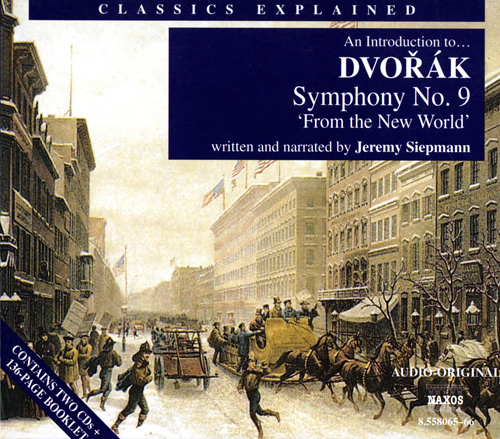
Classics Explained: DVORAK - Symphony No. 9, 'From the New World' (Siepmann)
Few works for the concert hall have won such immediate and continuing popularity as Dvořák’s Symphony No. 9 ‘From the New World’. Dramatic, lyrical, and spacious, it presents a rich panorama of ravishing and exciting orchestral colours, reflecting the experiences and emotions of the great Czech composer during his years in America towards the end of the nineteenth century. Its abiding magic might seem beyond analysis, but in this detailed and fascinating tour Jeremy Siepmann explores the inner-workings of a masterpiece, his enthusiasm not only intact but enhanced.
A series exploring, in words and music, the major classical works of the concert hall. In an accessible and lively manner, Jeremy Siepmann looks at the history and form of the great masterpieces of Western music.
Tracklist

Siepmann, Jeremy - Author

|
 |
1 | A quiet beginning: sorrow, syncopation, and sequence | 02:38 |
|
|
2 | Instrumental colour as a prime element: clarinets and bassoons, an outburst by the French horn | 00:57 |
|
|
3 | The opening tune again, with different instrumental colouring: now flutes and oboes | 00:32 |
|
|
4 | The first big surprise: strings, shattering drumbeats, shrieks from flutes, oboes, and clarinets | 00:37 |
|
|
5 | Cellos and basses take us into a new key while flutes and oboes dance in syncopation. | 00:32 |
|
|
6 | Horns, violas, and cellos introduce a new idea, soon to evolve into the main theme. | 00:31 |
|
|
7 | A tiny detail from the opening culminates in a wild drumming that heralds A Major event | 00:43 |
|
|
8 | Introduction complete | 02:05 |
|
|
9 | A solo horn introduces the main theme, perkily answered by bassoons and horns. | 00:39 |
|
|
10 | The theme moves to G Major; answering phrase from flutes, oboes, bassoons. | 00:33 |
|
|
11 | Long crescendo, tremolo strings, back to tonic and biggest statement yet of the main theme. | 00:39 |
|
|
12 | Transition to the secondary theme through the use of sequence. Sonata form; satability and flux | 01:36 |
|
|
13 | Three-bar groupings and again the use of sequence, spelling out a chord | 00:34 |
|
|
14 | The sequence continues to rise, and the four-bar phrase returns as the standard unit. | 00:18 |
|
|
15 | The first violins start off the next phrase, but the melodic shape is more compact. | 00:21 |
|
|
16 | The violins fall silent; the violas and cellos answer with a new figure | 00:09 |
|
|
17 | So now we have a two-bar group, made up of statement and answer. | 00:07 |
|
|
18 | The same thing again (though not quite the same) | 00:05 |
|
|
19 | Transition complete. The secondary theme arrives, with French horns as 'bagpipes'. | 01:00 |
|
|
20 | The 'bagpipe drone' is taken over by cellos, with their insistently repeated G and D. | 00:19 |
|
|
21 | The tune is taken up by cellos and double-basses, 'shadowed' by the second violins. | 00:57 |
|
|
22 | The violins continue a pattern of steady pairs, and the cellos and basses introduce a new idea. | 00:33 |
|
|
23 | Unexpectedly, we find ourselves back with the secondary theme. A new idea emerges. | 00:26 |
|
|
24 | Again we hear the shortened version of the secondary theme | 00:33 |
|
|
25 | The suspense is heightened as everything slows down | 00:25 |
|
|
26 | This beautiful flute tune is said to resemble 'Swing Low, Sweet Chariot'. | 00:47 |
|
|
27 | A big crescendo leads to a final statement of the closing theme | 01:16 |
|
|
28 | The development section begins with a conversation between cellos, double-bases, and violins. | 01:09 |
|
|
29 | The beginning of the closing theme is taken up in turn by the horn, piccolo, and trumpet. | 00:18 |
|
|
30 | Sequential chirping from the oboes based on the 'answering' part of the main theme, now in thE Major | 00:18 |
|
|
31 | Much of the development comes from a diminution of the closing theme from the exposition. | 00:19 |
|
|
32 | A tiny detail becomes A Major ingredient, giving an agitated quality to an originally sunny tune. | 00:31 |
|
|
33 | Through a sequence of keys so quickly that it is hard to keep track of them | 00:37 |
|
|
34 | The main theme from massed cellos and double-basses, topped by two trumpets over tremolo violas | 01:46 |
|
|
35 | After that major climax, we arrive at the threshold of the recapitulation | 01:04 |
|
|
36 | Dvorak flouts tradition by setting the secondary theme and the closing theme in unexpected keys. | 01:10 |
|
|
37 | The tumultuous convulsion of the coda brings the first movement to its epic close. | 03:09 |
|
|
38 | Humpty Dumpty: putting the bits back together again | 00:20 |
|
|
39 | First movement (complete) | 11:36 |
|
|
40 | The very opening chords unmistakably herald the arrival of something special. | 01:06 |
|
|
41 | The role of instrumentation in setting the scene... | 01:10 |
|
|
42 | ...and in enhancing the quality of one of the most famous tunes in symphonic history. | 01:29 |
|
|
43 | The cor anglais is joined by the clarinet, creating a fascinating change in the timbre. | 01:08 |
|
|
44 | For the closing part of the tune, there is another new sonority: cor anglais plus bassoon. | 00:24 |
|
|
45 | The closing bar is repeated by clarinets and bassoons, the horn adding a new touch | 00:28 |
|
|
46 | Back to the start to hear the whole of the story so far, this time without commentary | 02:24 |
|
|
47 | A change of scoring: the slow opening chords return, this time played by the winds alone. | 01:14 |
|
|
48 | The changes in scoring are just beginning. | 02:35 |
|
|
49 | The flutes and oboes introduce a new tune, over hushed tremolo strings. | 01:05 |
|
|
50 | A memorable combination of continuous, asymmetrical melody with steady, march-like counterpoint. | 01:28 |
|
|
51 | Back in that woodland glade, the light and shadows have changed, revealing new shapes and patterns. | 01:33 |
|
|
52 | The next section is new and forward-looking, yet also a kind of dream-recollection of a past scene. | 01:30 |
|
|
53 | An abrupt change of mood, much discussion and embellishment, and a hushed note of expectancy | 02:01 |
|
|
54 | Subjectivity and expertise; Sourek and Tovey disagree; onwards, into the final section | 05:14 |
|
|
55 | Cue to whole movement | 00:10 |
|
|
56 | Second movement (complete) | 12:00 |
|
|
1 | Dvorak, Beethoven, and the Scherzo. Dvorak purposely confuses the listener's expectations. | 01:54 |
|
|
2 | Using a little fanfare, Dvorak further builds up expectation before revealing the main theme. | 00:21 |
|
|
3 | When the theme is revealed, we find that it is not exactly a tune. | 00:36 |
|
|
4 | Two little bursts of rhythm provide the seeds from which much of the movement grows. | 00:24 |
|
|
5 | It is the second half of the theme that dominates. | 00:22 |
|
|
6 | Back to the beginning to hear the whole of this opening section | 00:48 |
|
|
7 | Without ever being remotely 'academic' or 'intellectual', there is much counterpoint going on here. | 00:20 |
|
|
8 | Dvorak's very Czech love of combining conflicting rhythms, sometimes metres | 02:31 |
|
|
9 | A clearly transitional passage, obsessed with the rhythmic tag that both opens and closes the theme | 00:30 |
|
|
10 | Sooner than we may have expected, we seem to have arrived at the Trio section. | 01:07 |
|
|
11 | A new kind of tone quality sheds a subtly different light on the theme. | 00:35 |
|
|
12 | The flutes and oboes now chime in with an answering variant of the opening... | 00:21 |
|
|
13 | ...and the cellos and bassoons take up the original version of the theme. | 00:43 |
|
|
14 | A false alarm: it was not the traditional Trio section at all, but rather part 2 of Scherzo proper | 00:52 |
|
|
15 | Soon, after a very rapid build, the Scherzo proper does reach its final phase. | 01:13 |
|
|
16 | The orchestral texture thins dramatically, and we approach what this time really is the Trio section. | 01:28 |
|
|
17 | The Trio section is reminiscent more of the 'Old World' than the 'New'. | 00:50 |
|
|
18 | In the second half of the Trio, a new tune emerges, a kind of Slavonic waltz. | 01:00 |
|
|
19 | The main theme of the Trio returns against a much fuller orchestral background. | 00:36 |
|
|
20 | Then it is all a matter of repeats, until we reach the coda, which ends with an explosive bang. | 01:15 |
|
|
21 | Third movement (complete) | 08:07 |
|
|
22 | Like the first movement, the fourth begins not with its main theme but with an introduction. | 00:47 |
|
|
23 | The main theme: an imposing march, introduced by trumpets and trombones, with timpani | 00:48 |
|
|
24 | The main theme, part two. A codetta-like passage closes off the march | 01:01 |
|
|
25 | The 'transitional' theme, while outwardly contrasting, is actually a hidden variant of the march. | 00:53 |
|
|
26 | A point of future obsession | 00:16 |
|
|
27 | The second half of this 'transitional' theme is given to the winds the strings have finished. | 00:16 |
|
|
28 | The 'obsession' takes root, with a ten-fold repetition, before the arrival of the second subject. | 00:57 |
|
|
29 | The hidden traps in sonata-form terminology: 'second main theme' vx. 'second subject' | 02:31 |
|
|
30 | The unexpected entry and subsequent ubiquity of 'Three Blind Mice' | 01:23 |
|
|
31 | We meet the mice again, now in the cellos and double-basses, where they persistently refuse to run. | 00:36 |
|
|
32 | More 'Three Blind Mice' material | 00:30 |
|
|
33 | The mice return to the basement, where the bassoons have joined the cellos and double-basses. | 00:19 |
|
|
34 | Next, they are back with the clarinets who pass them back to the cellos | 00:18 |
|
|
35 | Now they return to the high winds, delicately trilling. | 00:15 |
|
|
36 | Relief, at last: the mice back off, making way for a remainder of the main theme from the trumpets. | 00:34 |
|
|
37 | The mice yield to woodpeckers; the main theme is now doubled in speed | 01:07 |
|
|
38 | The triplets of the 'transitional' theme are now handed down through strings | 00:23 |
|
|
39 | Reminders of past movements begin to fly by, thick and fast, sometimes very fast. | 00:28 |
|
|
40 | In fact there are three bits of quotation going on here simultaneously. | 00:23 |
|
|
41 | The violas react every time the 'Goin' Home' theme is quoted by the winds. | 00:35 |
|
|
42 | The rhythm of the opening of the 'Goin' Home' theme dominates, transformed by trumpets | 00:35 |
|
|
43 | The march theme reappears as a Mendelssohnian fairy; the main theme from the 1st mov. now returns. | 01:55 |
|
|
44 | We reach an interesting point: have we heard the beginning of the recapitulation, or not? | 01:05 |
|
|
45 | Perhaps this is it? Back for a reminder of the theme proper, as we first heard it | 01:41 |
|
|
46 | Tovey places the start of the recapitulation here. | 01:27 |
|
|
47 | The main theme recast in pathetic rather than heroic terms - and with magical scoring | 01:51 |
|
|
48 | This unexpected crisis in confidence plays A Major role in the overall dramatic impact of the mov. | 01:49 |
|
|
49 | The main theme returns - not complete, but chopped up into shorter and shorter fragments. | 01:30 |
|
|
50 | A glorious thematic stew; high drama, a powerful build-up... but then? | 00:56 |
|
|
51 | The dramatic highpoint of the mov., an astonishing transformation, but first, back to the original | 01:26 |
|
|
52 | The same chords again, this time blasted out by the entire wind and brass sections | 01:09 |
|
|
53 | Now we are into the finishing stretch, but the surprises continue to the very end of the very end. | 01:42 |
|
|
54 | Summary, context, and cue into the whole movement | 01:05 |
|
|
55 | Fourth movement (complete) | 11:05 |
Loading...