
 Translate
































Composer(s): Finzi, Gerald
Lyricist(s): Knevet, Ralph; Milton, John; Peele, George; Traherne, Thomas
Conductor(s): Hill, David
Orchestra(s): Bournemouth Symphony Orchestra
Artist(s): Gilchrist, James
Label: Naxos
Genre: Orchestral; Vocal
Period: 20th Century
Catalogue No: 8.570417
Barcode: 0747313041770
Release Date: 04/2008
 | Loading... |
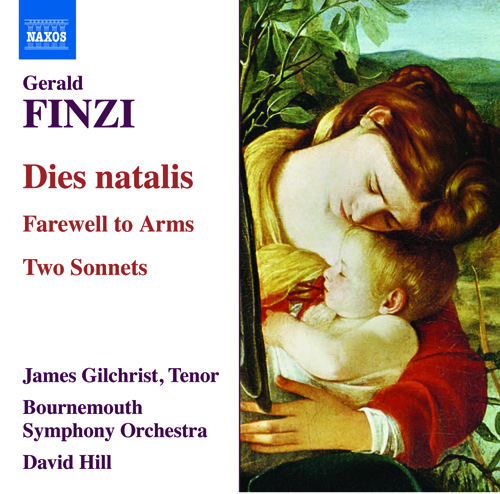
FINZI: Dies natalis / Farewell to Arms / 2 Sonnets
Quintessentially Finzi, the tender yet radiant Dies natalis, a setting of texts by the 17thcentury poet Thomas Traherne, depicts both the first sensations of a child as it enters the world, and life’s tarnishing experience of the innocence of childhood. In Farewell to Arms, a further example of Finzi’s enthusiasm for 17th-century poets, the steady but inevitable tramp of time, symbolized by the measured bass and the tenor’s sad, arching melody, becomes a poignant symbol for the brevity of life as expressed in lines such as ‘O time too swift, O swiftness never ceasing’. Finzi knew all too well that ‘Beauty, strength, youth are flowers but fading seen’.
Tracklist

Finzi, Gerald
Traherne, Thomas - Lyricist
Traherne, Thomas - Lyricist
Bournemouth Symphony Orchestra (Orchestra)
Hill, David (Conductor)
Gilchrist, James (tenor)
Hill, David (Conductor)
Gilchrist, James (tenor)
|
 |
1 | I. Intrada | 05:36 |
Bournemouth Symphony Orchestra (Orchestra)
Hill, David (Conductor)
Hill, David (Conductor)
|
|
2 | II. Rhapsody | 07:32 |
Gilchrist, James (tenor)
Bournemouth Symphony Orchestra (Orchestra)
Hill, David (Conductor)
Bournemouth Symphony Orchestra (Orchestra)
Hill, David (Conductor)
|
|
3 | III. The Rapture | 04:01 |
Gilchrist, James (tenor)
Bournemouth Symphony Orchestra (Orchestra)
Hill, David (Conductor)
Bournemouth Symphony Orchestra (Orchestra)
Hill, David (Conductor)
|
|
4 | IV. Wonder | 04:28 |
Gilchrist, James (tenor)
Bournemouth Symphony Orchestra (Orchestra)
Hill, David (Conductor)
Bournemouth Symphony Orchestra (Orchestra)
Hill, David (Conductor)
|
|
5 | V. The Salutation | 04:39 |
Gilchrist, James (tenor)
Bournemouth Symphony Orchestra (Orchestra)
Hill, David (Conductor)
Bournemouth Symphony Orchestra (Orchestra)
Hill, David (Conductor)
Finzi, Gerald
Bournemouth Symphony Orchestra (Orchestra)
Hill, David (Conductor)
Hill, David (Conductor)
|
|
6 | Prelude in F Minor, Op. 25 | 04:35 |
Bournemouth Symphony Orchestra (Orchestra)
Hill, David (Conductor)
Hill, David (Conductor)
Bournemouth Symphony Orchestra (Orchestra)
Hill, David (Conductor)
Hill, David (Conductor)
|
|
7 | The Fall of the Leaf, Op. 20 | 09:34 |
Bournemouth Symphony Orchestra (Orchestra)
Hill, David (Conductor)
Hill, David (Conductor)
Finzi, Gerald
Milton, John - Lyricist
Milton, John - Lyricist
Gilchrist, James (tenor)
Bournemouth Symphony Orchestra (Orchestra)
Hill, David (Conductor)
Bournemouth Symphony Orchestra (Orchestra)
Hill, David (Conductor)
|
|
8 | No. 1. When I consider | 04:46 |
Gilchrist, James (tenor)
Bournemouth Symphony Orchestra (Orchestra)
Hill, David (Conductor)
Bournemouth Symphony Orchestra (Orchestra)
Hill, David (Conductor)
|
|
9 | No. 2. How soon hath time | 02:51 |
Gilchrist, James (tenor)
Bournemouth Symphony Orchestra (Orchestra)
Hill, David (Conductor)
Bournemouth Symphony Orchestra (Orchestra)
Hill, David (Conductor)
Finzi, Gerald
Bournemouth Symphony Orchestra (Orchestra)
Hill, David (Conductor)
Hill, David (Conductor)
|
|
10 | New Year Music, Op. 7 | 09:39 |
Bournemouth Symphony Orchestra (Orchestra)
Hill, David (Conductor)
Hill, David (Conductor)
Finzi, Gerald
Peele, George - Lyricist
Knevet, Ralph - Lyricist
Peele, George - Lyricist
Knevet, Ralph - Lyricist
Gilchrist, James (tenor)
Bournemouth Symphony Orchestra (Orchestra)
Hill, David (Conductor)
Bournemouth Symphony Orchestra (Orchestra)
Hill, David (Conductor)
|
|
11 | I. Introduction | 03:56 |
Gilchrist, James (tenor)
Bournemouth Symphony Orchestra (Orchestra)
Hill, David (Conductor)
Bournemouth Symphony Orchestra (Orchestra)
Hill, David (Conductor)
|
|
12 | II. Aria: His golden locks | 05:05 |
Gilchrist, James (tenor)
Bournemouth Symphony Orchestra (Orchestra)
Hill, David (Conductor)
Bournemouth Symphony Orchestra (Orchestra)
Hill, David (Conductor)
Total Playing Time: 01:06:42
Loading...