
 Translate































In addition to its own wide-reaching monthly new releases, Naxos also distributes several leading labels in many countries around the world. Here is a choice selection of recent releases from some of these distributed labels.

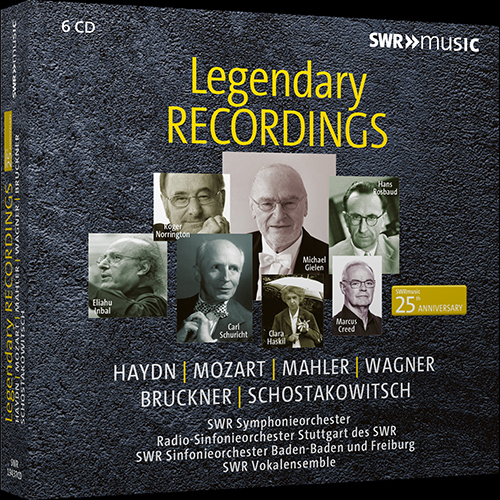
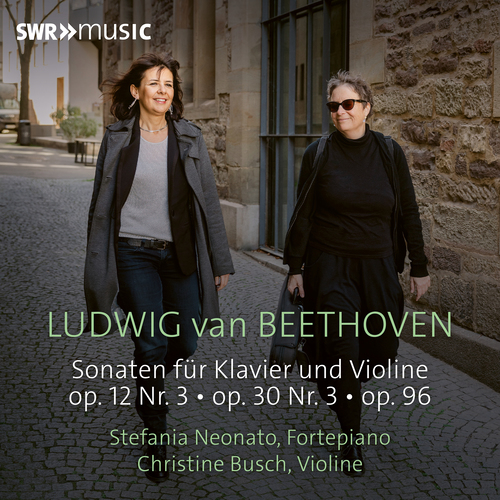
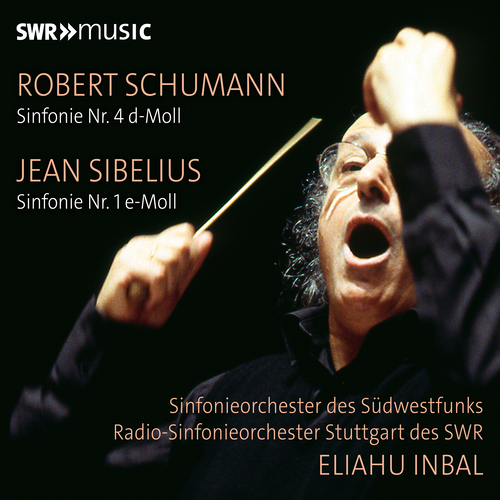
SWRmusic is the label of the Southwest German Broadcasting Company (SWR). Its purpose is the documentation of the artistic output of the internationally renowned SWR orchestras and ensembles, including outstanding archive recordings of famous musicians. The label releases have been realised in cooperation with Naxos Germany since 2015. In 2025 the label celebrates its 25th anniversary and has meanwhile become a well-established competitor in the market; the numerous awards and prizes it has received attest to its success.
The SWR ensembles are the SWR Symphonieorchester (a result of the fusion of the SWR Radio-Sinfonieorchester Stuttgart and the SWR Sinfonieorchester Freiburg und Baden-Baden in 2016), the SWR Vokalensemble – considered to be one of the best a cappella choirs for modern music in the world –, the SWR Big Band and the Deutsche Radio Philharmonie.
A main focus of SWRmusic are remastered series with historic recordings of famous musicians and conductors. In the recent years, several highly acclaimed editions have been released and are a valuable asset of the back catalogue: The Michael Gielen edition (88 CDs in ten volumes), the Hans Rosbaud edition (53 CDs in nine volumes) as well as the smaller editions dedicated to Fritz Wunderlich and Friedrich Gulda. Previous individual releases have been re-issued as carefully curated complete editions, among them most notably the Koechlin and the Carl Schuricht editions. All these series are accompanied by detailed liner notes, written by leading musicologists.
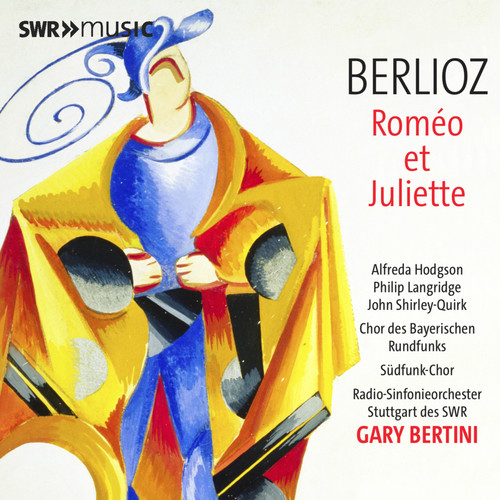
When Hector Berlioz, aged 23, saw Shakespeare’s Romeo and Juliet for the first time in 1827, he was deeply moved by the experience, no doubt in appreciation of the Irish actress Harriet Smithson, who played Juliet. The two got married in 1833 and, six years later, Berlioz completed his Roméo et Juliette, Op. 17, a grand work that incorporates elements of symphony, opera and oratorio. It was not intended as an attempt to faithfully transpose Shakespeare’s drama; not a single verse of Shakespeare’s text as included in the libretto, which was written by the poet Émile Deschamps, based on Berlioz’s drafts.
When the Prologue refers to Shakespeare as the only person who knew the highest secrets of poetry, it’s clear that the listener is deliberately placed in Berlioz’s perspective, whose imagination is ignited by Shakespeare’s genius. Berlioz’s second symphony, Harold in Italy, was similarly based on a poem by Lord Byron, with Berlioz adapting the original very freely, developing entire movements from episodes that are of only minor importance in the poem, and adding scenes that do not appear there at all.
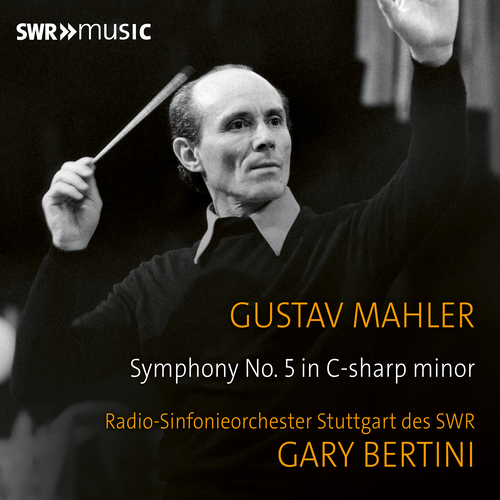
This live recording from 1982 showcases Gary Bertini at the peak of his career, conducting the SWR Stuttgart Radio Symphony Orchestra and an exquisite cast of singers – Alfreda Hodgson (mezzo-soprano), Philip Langridge (tenor) and John Shirley-Quirk (baritone). The internationally renowned Chor des Bayerischen Rundfunks and SWR Vokalensemble (known until 1998 as Südfunk-Chor) also feature in this performance of one of the most complex symphonic works of the Romantic era.
FINAL VOLUME
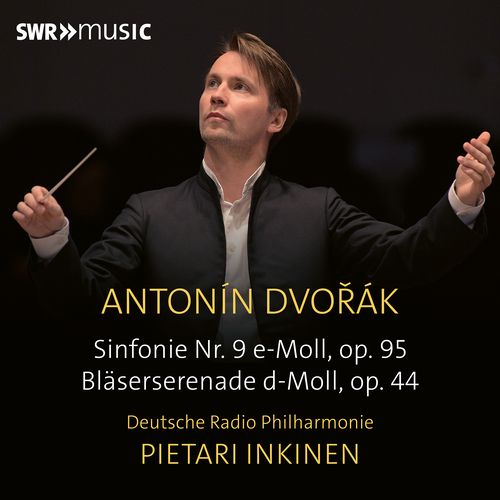
Antonín Dvořák’s Ninth Symphony, which the composer himself titled “From the New World”, was a huge success when it premiered on 16 December 1893 at New York’s Carnegie Hall: ‘The newspapers say that never before has a composer enjoyed such a triumph.’ The project, however, was by no means without controversy. Dvořák had been invited to the USA with the task of creating American national music. He therefore studied the music of the indigenous population, descendants of slaves and others, composing the symphony with all these sources in mind. Though many critics did not consider that the goal of an American national music style had been achieved, the work itself remains today one of the most popular symphonies ever written.
Much earlier, in 1878, Dvořák had composed his Serenade for Wind Instruments, Cello and Double Bass in D Minor. He was no doubt inspired by the unusual instrumentation of Mozart’s ‘Gran Partita’, K 361 which is broadly reflected in Dvořák’s own score.
Finnish conductor Pietari lnkinen has been principal conductor of the Deutsche Radio Philharmonie since 2017. He will step down from this position in the summer of 2025 to focus more on his international commitments. He has received numerous awards, including the Franco Abbiati Prize. The film portrait ‘A Baton and a Passport – Pietari lnkinen Conductor’ was released in October 2023.

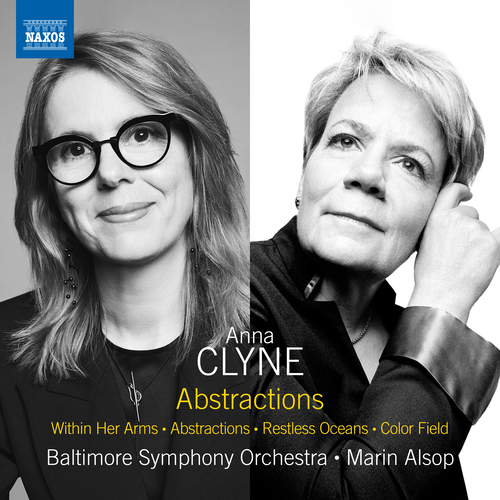
Anna Clyne, described as a ‘composer of uncommon gifts and unusual methods’ by The New York Times, is one of the most in-demand composers today, working with orchestras, choreographers, filmmakers and visual artists around the world. Clyne’s unique voice combines tradition with postmodern techniques, giving her listeners a sense of musical adventure that is grounded in the past. From the beautiful elegy Within Her Arms to the defiant power of Restless Oceans, Anna Clyne’s music strikes a positive and resilient tone.
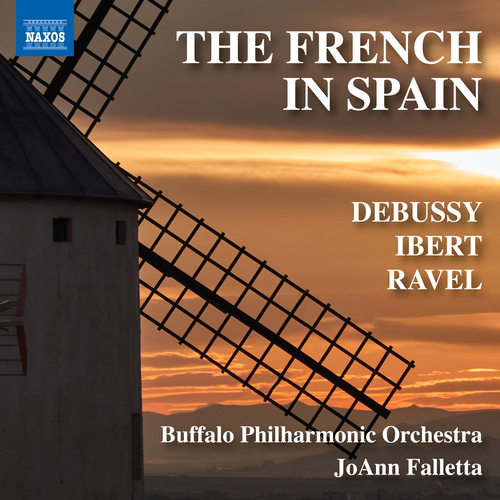
This album presents orchestral works by three French composers who saw Spain as a paradise of warmth, fragrance and colour, whether real or imagined. From the vivid evocations of Debussy’s Images and Ibert’s Escales, to the dances and landscapes that inspired Ravel’s Rapsodie espagnole, these masterpieces of Impressionism show the considerable impact Spanish culture had on French composers in the early 20th century.
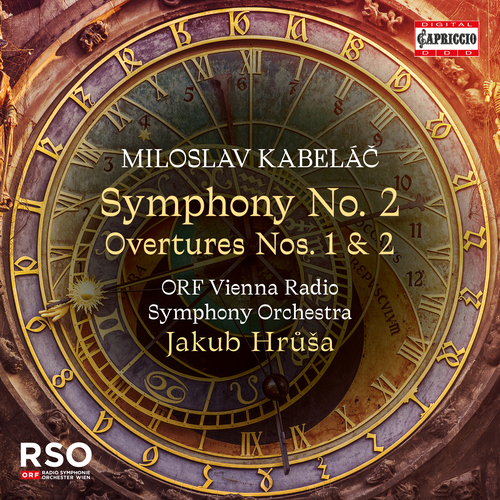
Miloslav Kabeláč ranks among the most significant Czech composers of the 20th century. Alongside Antonín Dvořák and Bohuslav Martinů, he is recognised as one of the greatest Czech symphonists, whose work represents a cornerstone of Czech musical heritage. His output encompassed practically all musical genres except opera, but at its core are eight symphonies, each with a unique orchestration. For this recording, the ORF Radio Symphony Orchestra enjoyed the welcome expertise of Czech conductor Jakub Hrůša, who meticulously articulated the richly orchestrated scores of this still underrated composer.
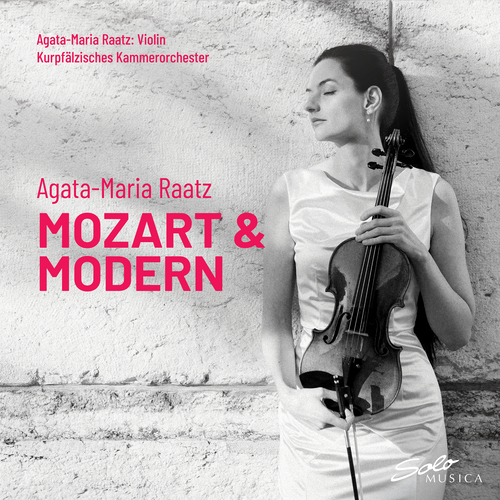
Agata-Maria Raatz is a Swiss violinist and composer of Polish descent, an artist of the new generation. She seamlessly blends tradition with innovation in a natural and original way. Acclaimed by critics and audiences for her musical expression and technical mastery, she has been described as ‘a top-class violinist, representing very clear and noble musical goals’ (Benjamin Schmid) and in her artistry, ‘one uncovers the qualities of an exceptional musician–virtuosic and profoundly expressive’ (Jean Jordy). In addition to a piece composed by the artist especially for this album under the pseudonym Clara Jaz, we also find the work Cette âme a six ailes tout comme les Séraphins (‘This soul has six wings like the Seraphim’), which was composed especially for Agata-Maria Raatz by the Swiss composer Xavier Dayer. In her own words about this recording, she says: ‘It brings me great joy to share my musical world with you – as both a performer and a composer. In these current times, we are fortunate to experience two perspectives at once: the classical beauty of masterworks and the captivating freedom of modern music. This connection – between tradition and innovation – allows us to constantly find new inspiration, to see music with fresh eyes, and to experience its boundless diversity in all its forms.’
![RAVEL, M.: Orchestral Works • Operas [8-disc boxed set]](https://cdn.naxos.com/sharedfiles/images/naxos-images/2025/sep/8.508022_3d_front.png "RAVEL, M.: Orchestral Works • Operas [8-disc boxed set]")
This collection of Leonard Slatkin and the Orchestre National de Lyon’s complete Ravel recordings on Naxos includes critically acclaimed performances of the composer’s best-loved works. Featured alongside perennial favourites such as Boléro, the two piano concertos, Tzigane, Ma Mère l’Oye and Daphnis et Chloé, among others, are Ravel’s masterful orchestrations of Mussorgsky’s Pictures at an Exhibition and works by Schumann, Debussy and Chabrier. Ravel’s one-act operas, L’Heure espagnole and L’Enfant et les Sortilèges, are also included.
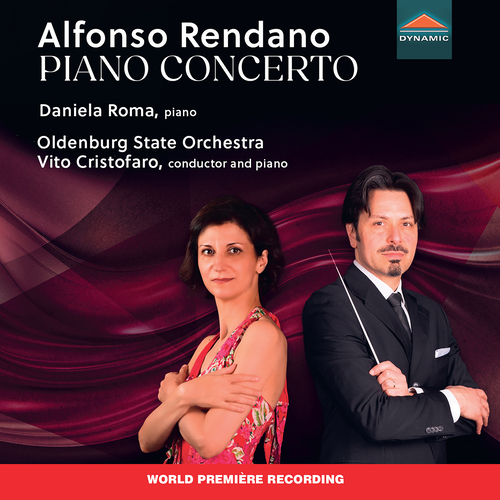
Alfonso Rendano was at the forefront of Italy’s instrumental composition renaissance in the late 19th-century but remains less well known than his near-contemporaries Giovanni Sgambati and Giuseppe Martucci. He was also a prominent pianist who performed with the illustrious violinist Joseph Joachim. The rhapsodic Piano Concerto, recorded here for the first time in its original edition, was premiered in a version for two pianos in which the composer was joined by Franz Liszt who called it ‘a vigorous, remarkable work, one I greatly appreciate’. The Allegro in A minor was rediscovered in 1969 and dates from Rendano’s artistic maturity. The Piano Concerto is performed in Vito Cristofaro’s edition and performed by him with Rendano’s leading contemporary exponent, Daniela Roma.
![WAGNER, R.: Der Fliegende Holländer [Opera]](https://cdn.naxos.com/sharedfiles/images/cds/hires/8.660572-73.jpg "WAGNER, R.: Der Fliegende Holländer [Opera]")
The Flying Dutchman was Wagner’s breakthrough opera. Though Wagner still employed independent arias and choruses, his operatic concept transcended earlier works such as Rienzi, which was influenced by French grand opera. The supernatural tale of the Dutchman, condemned to roam the seas unless redeemed by a wife who will be faithful to him unto death, inspired an ambitious work in which Wagner was able to unite his dramatic and musical vision with a powerful combined effect for the first time.

In celebration of their 25th year together as one of the most adventurous and influential percussion ensembles in contemporary music, Sō Percussion announces the release of 25x25. In keeping with the group's forward-looking mission, this 8-disc box set is not a retrospective; rather, it is a stand-alone listening experience, featuring more than 8 hours of entirely new and previously unreleased recordings, with each piece written for, in collaboration with, and premiered by Sō Percussion.
Over the last 25 years, the members of Sō—Jason Treuting, Adam Sliwinski, Josh Quillen, and Eric Cha-Beach—have been hailed for their gripping performances and wildly creative collaborations. Cantaloupe Music is pleased to offer this collection to long-time fans and newcomers alike. It's both a comprehensive portrait and a forecast of where contemporary chamber music is heading.
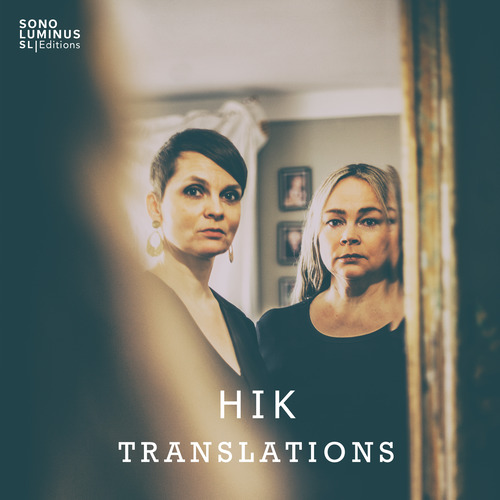
Hik
Hail to the hesitation
Hik is an old Icelandic word for hesitation.
Hesitation is the moment of pause or delay before saying or doing something. It is a glimpse in time filled with uncertainty, even doubt.
“A feeling of uncertainty, doubt or indecisiveness facing difficult decision or situation. A state of being reluctant or hesitant to act, speak, or make a choice.”
This album is in many ways an ode to hesitation.
It is composed by improvisation, and as a conversation between the violin and the organ, reacting and coexisting in sound and metrum.
The feeling of hesitation is that glorious moment before playing on, lingering on an overtone or diving into next phrase. It can feel endless, wonderful, natural, weird, distressing or impossible, but mostly exciting, hopeful and mysterious.
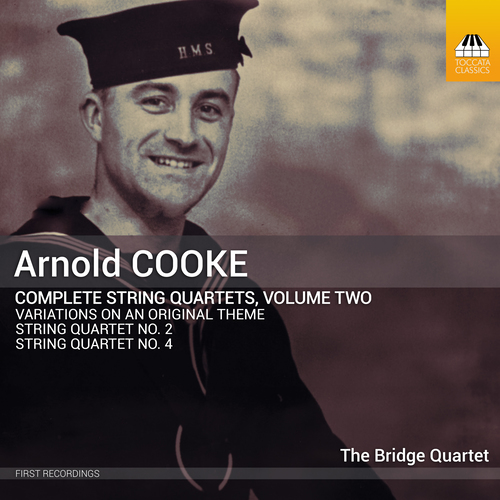
The music of the Yorkshire-born Arnold Cooke (1906–2005) – inventively contrapuntal, lyrical and energetic in turns – does not deserve the neglect it suffered even in its composer’s lifetime. This second album of two presenting all five of Cooke’s string quartets underlines his reputation for resourceful craftsmanship, presented in a style which sits downstream from Hindemith, with whom he studied in Berlin, and from Bartók. There is also a surprisingly strong dance element in all three works heard here, though tempered, even in their lighter moments, by something of the emotional reticence of Britten’s quartets.
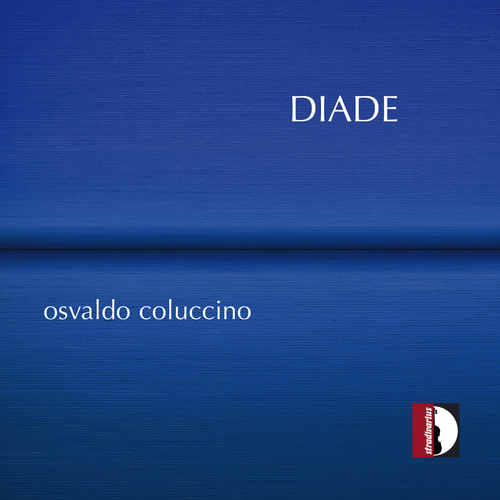
Duality as essence
‘The fullness of an almost empty space within which only two presences distil their separated essences; the completeness of only two subjects representing all the rest; the awareness in subordinating oneself to the magnetism of the subtracted and the missing; the consistency of silence, immobility and timelessness; the essential value of otherness. Each of the titles of these duets, all of a single word, carries semantic potentialities inherent in duality, a contradiction resolved in the ideal of recomposing dualism into unity. Ali (‘Wings’), equivalent laterality as duality, which divides in two and equally holds together; Diade (‘Dyad’), couple, duality, and in biology the chromosome of germ cells formed by two homologous chromatids united, maternal and paternal; Talea (‘Cutting’), in botany the birth of a life through another that mutilates and grafts itself; Appulso (‘Appulse’), in astronomy the apparent approach of a star to a planet, so that the star seems to touch it; Giano (‘Janus’), the two-headed god, who can look at the two entities future and past but not at the present, in charge of thresholds, of passages, who presides over all beginnings; Specchio (‘Mirror’), the reflecting ‘other’, in the mutual comparison of every couple or duo; Cenere (‘Ash’), matter inclusive of the original fullness – simulacrum of what it was – and of its dissipation, emblem of the invisibility to come; Gemina (‘Twin’), that which is double, an adjective declined here, in Italian, in the feminine, leaving open the interpretation (double musical expression?, a double union of performers?…) and in genetics the “bivalent pair” of chromosomes, which merges and then splits; Stati (‘States’), in addition to being a noun – the word that in Italian in one of its meanings is related to immobility, from the Latin status, ‘that which stands still’ –, is also a past participle that makes the subjects exist in the same time for how they are now and for what they have ‘been’, ‘stati’ (thinking of this piece, divided into three parts, in the sequence stasismotionstasis: “You alone knew that motion is not different from stasis.” Eugenio Montale, from Satura); Stigma (‘Stigma’), explicit imprint of an implicit owner of it, but also, in botany, the part of the pistil destined to receive and germinate; Etra (‘Air’), a kind of air that, here, makes physical wind and metaphysical wind co-present, which mix in a haunted vortex…’ – Osvaldo Coluccino
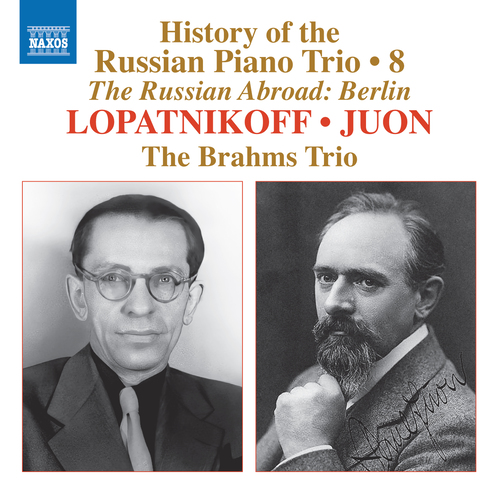
Berlin is the focus of this eighth volume of the History of the Russian Piano Trio, which features two Russian composers who lived in the city. Nikolai Lopatnikoff’s symphonies were premiered by Bruno Walter and Serge Koussevitzky, and he was once ranked alongside Stravinsky. Lopatnikoff’s Piano Trio in A minor is an archetypal example of Russian modernism, unparalleled in its use of allusions, tonalities and form. Paul Juon’s Suite in C major is full of elegant and vivid theatrical imagery, while his Piano Trio No. 1 in A minor employs charming stylised folk material influenced by Brahms.
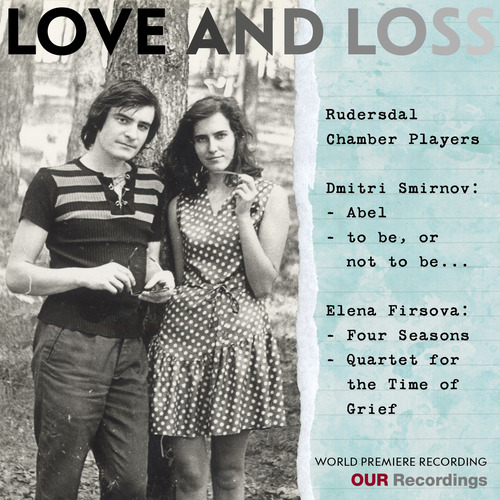
‘Eastern European music from the 20th century has captivated me for as long as I can remember. It speaks with intensity, urgency, and truth, unflinching, often uncomfortable. The idea for Rudersdal Chamber Players was born from that music.
After a 2017 visit to Rudersdal Sommerkoncerter, Lera Auerbach and Rafael DeStella planted the seed. We live in peace and privilege, in a country where democracy and freedom are easily taken for granted. In contrast, composers behind the Iron Curtain faced fear, censorship, and silence. There was little room to challenge the system, to question, to rebel. And yet, their musical education was second to none.
Elena Firsova once told me they had to submit a fugue every week. Composing wasn’t a pastime, it was a necessity for survival of the spirit, that urgency is audible. The music is serious, deep, and often harrowing. It pulls you to the edge, over the abyss, and holds you there. You can’t walk away from it unchanged. There is no Danish “hygge” in this world. No easy comfort.
In 2019, we began collaborating with Firsova and Dmitri Smirnov. They wrote piano quartets for us, works of great craft and emotional power. They were warm, humble, devoted to each other and to music. It felt like stepping into a deeper tradition, still pulsing with life.
Then came the pandemic. I was walking in the woods when Elena messaged me, Dmitri was dying. Soon after, condolences appeared on Facebook. The surreal met the tragic in real time. We had hoped for more music from him. But we are deeply grateful for the one masterpiece he gave us.
Elena remains, one of the last voices of that generation. Her work links us to Schnittke, Gubaidulina, Denisov, a line unbroken. Her and Dmitri’s music joins necessity with transcendence. To play it is to witness history, and to feel its heartbeat. It gives meaning. It reminds us why we play at all. It stares into the abyss, and sings.’ – Christine Pryn
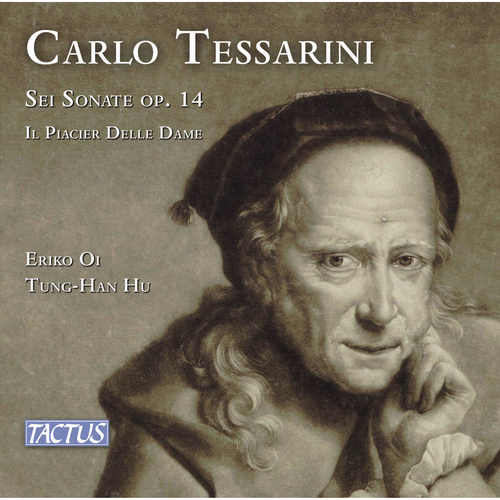
Japanese flutist Eriko Oi, winner of the International Early Music Competition in Yamanashi (Japan), is joined by harpsichordist Tung-Han Hu in this production featuring the world premiere recording of works for flute and continuo by Italian composer Carlo Tessarini, born in Rimini in the late 17th century. A violin virtuoso active throughout Europe and a prolific composer, Tessarini – like many of his contemporaries – also ventured into writing for the flute, significantly enriching the instrument’s repertoire. The performance of the two collections presented in this recording demonstrates that Tessarini was undoubtedly a profound connoisseur of the flute’s unique qualities, fully exploiting its dynamic and expressive potential.
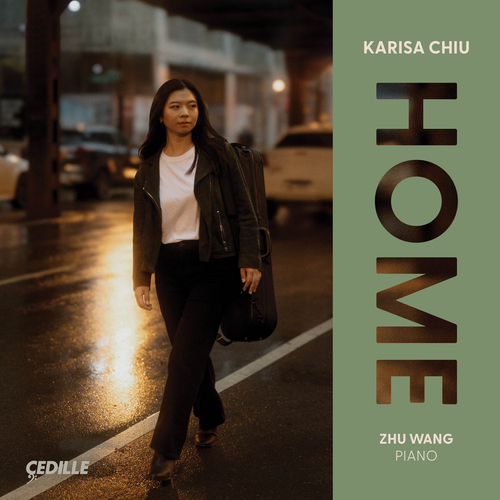
25-year-old rising American violinist Karisa Chiu, noted for her “easy virtuosity … humor, nuance… [and] playful[ness]” (Cleveland Classical), and renowned Chinese pianist Zhu Wang (“a thoughtful, sensitive performer” — New York Times) unite for Chiu’s debut album, HOME. Influenced by her Chicago upbringing, pandemic discoveries, and Korean and Chinese family roots, the recording reflects on the various interpretations of “home” in Chiu’s life, with works by Jean Sibelius, Claude Debussy, Augusta Read Thomas, Cyril Scott, and Gabriel Fauré.
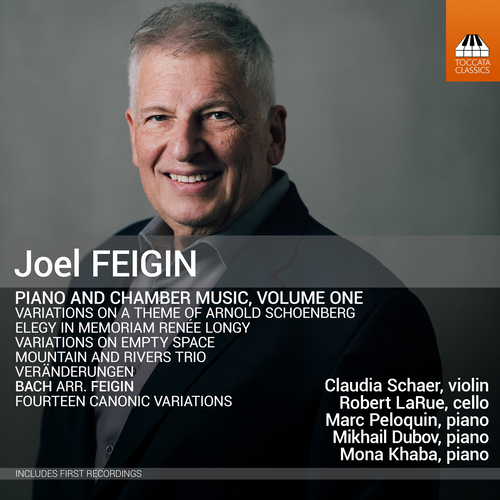
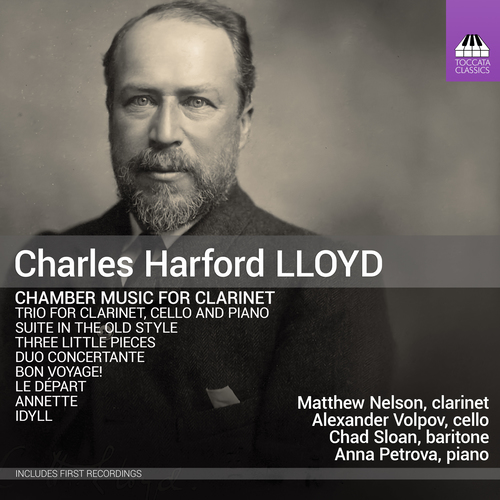
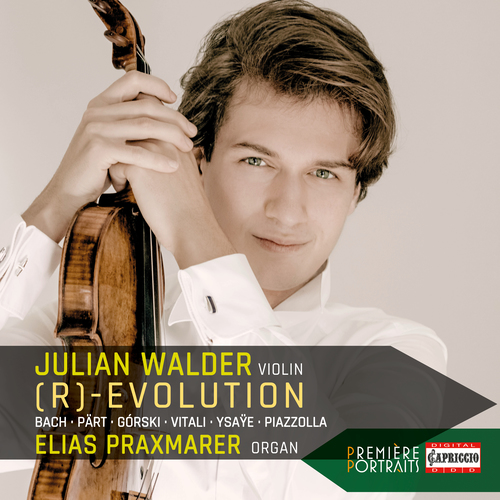
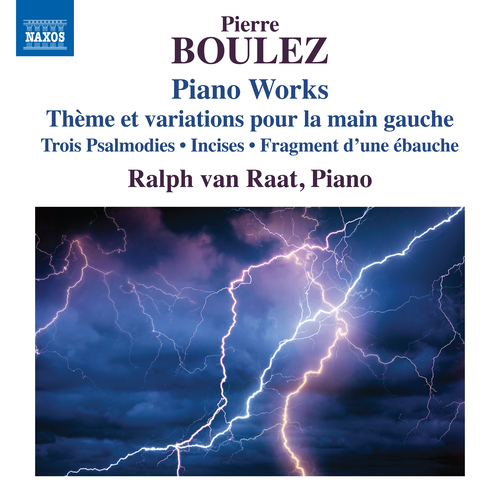
Pierre Boulez’s early ambitions to become a concert pianist provided the impetus to write piano music as a composition student at the Paris Conservatoire. The Thème et variations pour la main gauche and Trois Psalmodies reveal his extraordinary talent in their compelling mix of energy, drama and playfulness. Presenting these works alongside two later compositions provides a unique glimpse into the full arc of Boulez’s musical journey. These pieces are powerful, their emotions raw and unfiltered, offering listeners a chance to experience the early foundations and mature reflections of a master composer.
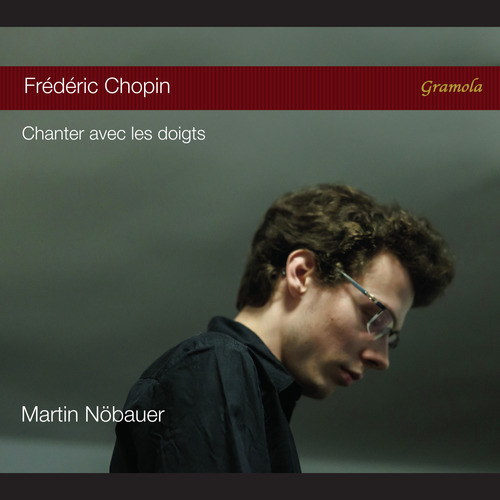
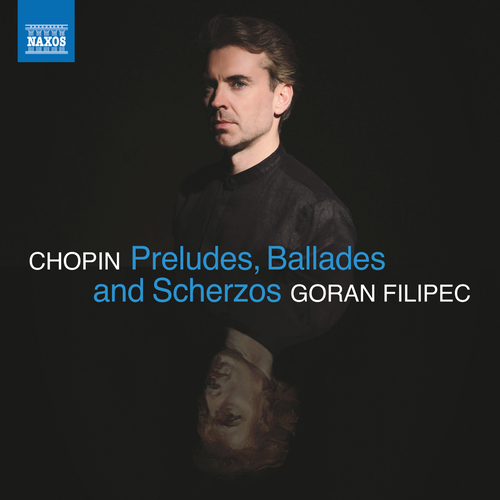
‘You have to sing with your fingers!’ – Frédéric Chopin is said to have often demanded of his pupils during piano lessons. On which instruments could this demand be better realised than on the pianos of his time that he preferred? For this recording, the young Austrian pianist Martin Nöbauer selected five historical instruments that were built between 1829 and 1853. Although there are only 24 years in between, the development in sound aesthetics from the rather thin and transparent sound of the earlier instruments to the fuller, rounder sound of the Pleyel grand piano from 1842 and especially the Érard grand piano from 1853 is clearly perceptible. The works chosen for this album were composed in close temporal proximity to the creation of the instruments: the Piano Sonata in B minor op. 58, the Impromptu in G-flat major op. 51, the Mazurkas op. 50 as well as the Ballade op. 52 and the Fantaisie op. 49, both in F minor.
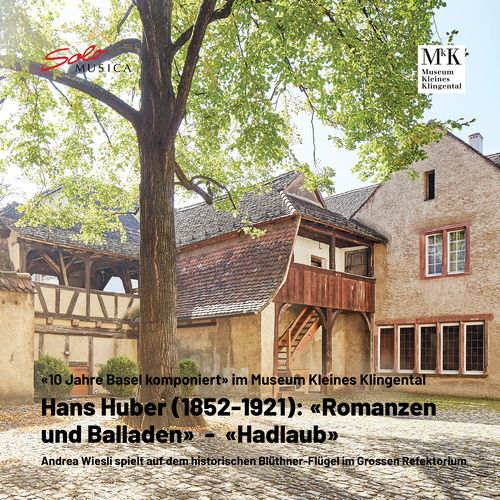
In 2014, the Museum Kleines Klingental in Basel presented the exhibition ‘Hans Huber and Basel’s musical life around 1900’. In 2015, the exhibition provided the impetus for the founding of the concert series ‘Basel composes’ at the Museum Kleines Klingental. The idea was to create a platform for chamber music by composers who were born, lived or worked in Basel. Since then, numerous ensembles have performed works by well-known, unknown and forgotten composers from Basel. At the centre of this anniversary recording are compositions by Hans Huber, which were the starting point of the concert series, played by Andrea Wiesli, who has been particularly committed to promoting Basel’s musical culture in the Klingental with the Trio Fontane.
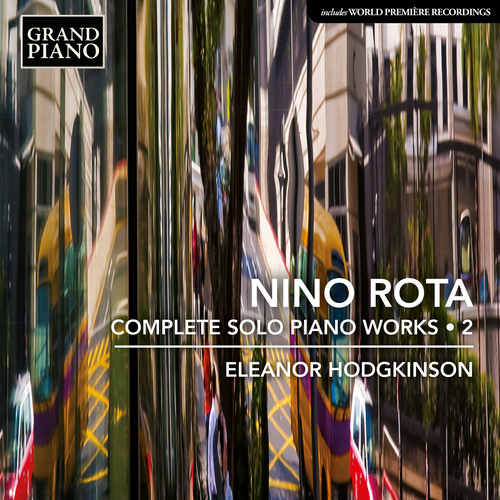
Nino Rota’s iconic score for The Godfather is typical of his neo-Classicism – or ‘Classical modernist’ language – a cosmopolitan and functional musical style inspired by his teachers Pizzetti and Casella. This second and final volume of Rota’s solo piano music ranges from Ippolito gioca, an early piece celebrating Pizzetti’s 50th birthday, to a large-scale Variations and Fugue on the name Bach that concludes with a four-part fugue. The psychologically expressive music Rota composed for Federico Fellini’s film Il Casanova is also featured, alongside the piece Molière from his music for the ballet Le Molière imaginaire.
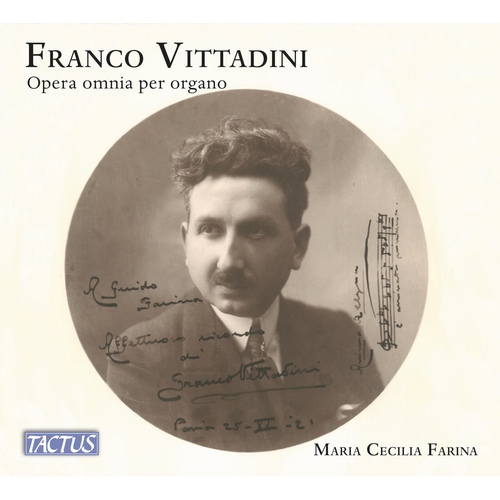
Among the notable musicians born in the city of Pavia, Franco Vittadini is undoubtedly one of the most significant. The city’s Istituto Superiore di Studi Musicali is named in his honour, and he served as its director from 1924 until his death. Maria Cecilia Farina uses historical organs on which to perform the composer’s organ music in a precise and philological manner. Rarely – and always in deference to the liturgical context – does Vittadini employ a grand and solemn language, using organo pleno sonorities or indulging in virtuosic displays. His stylistic hallmark is instead a gentle melancholy: a crepuscular atmosphere – comparable to the poetry of Guido Gozzano or Sergio Corazzini – and a contemplative, idyllic/nostalgic attitude pervade his pages, expressing his sense of faith.
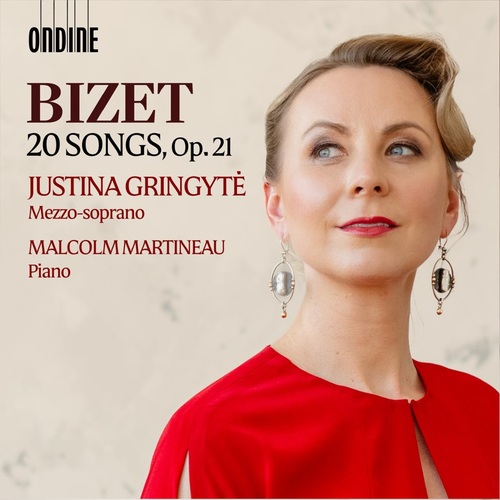
This Ondine debut album by the award-winning Lithuanian mezzo-soprano Justina Gringytė, one of the foremost rising stars of the opera world, and pianist Malcolm Martineau is her first solo album and the complete recording of Georges Bizet’s (1838–1875) long-forgotten masterpiece, Vingt Mélodies (‘20 Songs’), Op. 21. The year 2025 marks the 150th anniversary of the death of Bizet, one of the greatest French composers of all time.
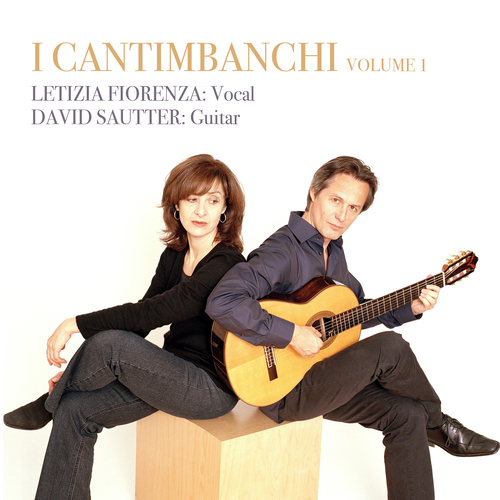
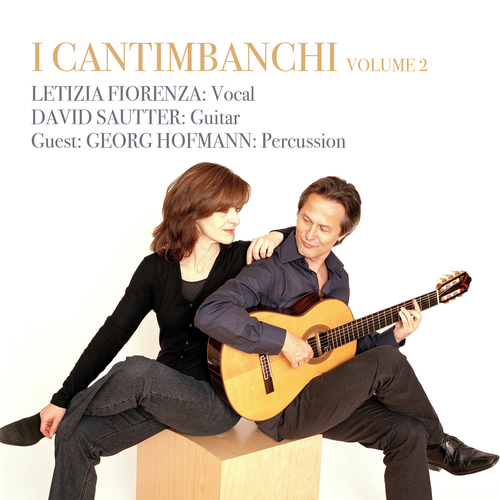
Letizia Fiorenza and David Sautter.
The North-South Connection of Southern Italian Folk Music
The two artists dispel any preconceptions that folk music may have. Letizia Fiorenza, who spent her childhood in southern Italy, selects the songs and strips them of any saccharine kitsch. What remains is a variety of lyrics that do not only sing of carefree southern cheerfulness. There is biting satirical humour, sadness, melancholy, and easily ignited anger in abundance. David Sautter absorbs the archaic nature of this music and combines it with his own background as a classically trained musician who spent his childhood in northern latitudes. This combination of skill and spontaneity, feeling and knowledge leads away from sentimentality, nostalgia and ethnology, placing the power and expressiveness of this music at the forefront. Sautter accompanies the singer with stylistic confidence and sensitivity, but his virtuosity elevates him far above the role of an ordinary accompanist.
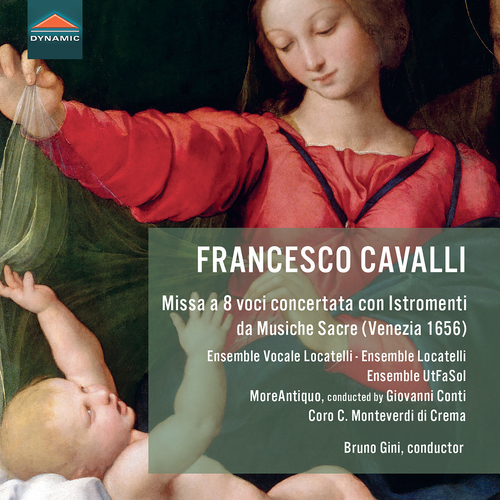
As a boy, Francesco Cavalli was a member of San Marco Basilica’s Chapel, then directed by Claudio Monteverdi, from whom he probably received tuition. In time Cavalli’s fame as an operatic composer spread across Europe and he succeeded Monteverdi in San Marco to reach the apex of success in Venice. He also wrote sacred music, published in two great printed collections. The first collection, published in 1656, contains his Missa a 8 voci Concertata, an imposing and magnificent work of exceptional complexity for eight soloists, two four-voiced choirs and many instrumentalists. In this recording it is performed in the context of an All Saints’ Day liturgy by Ensemble Locatelli, directed by Cavalli scholar, Bruno Gini.
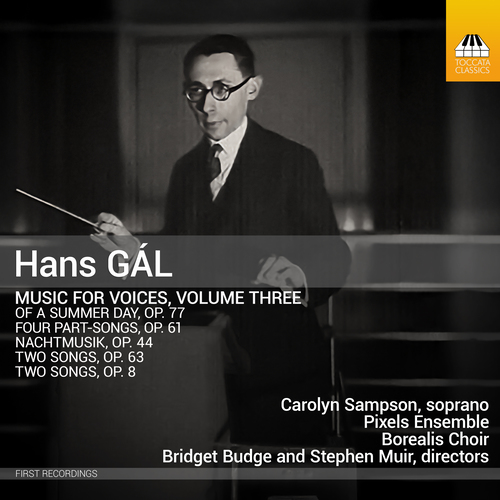
Whether in his original home of Vienna, as a conservatoire director in Mainz, or as an émigré in Edinburgh, where he became one of the mainstays of musical life, Hans Gál (1890–1987) championed choral singing as a way of directly involving people in making music: he founded and conducted a number of choirs and provided an extensive output of choral compositions. This third album of his choral music offers a vivid cross-section of music for chamber choir, featuring mixed voices, women’s voices and male-voice choir, a cappella, with solo soprano, with piano and with chamber accompaniment.
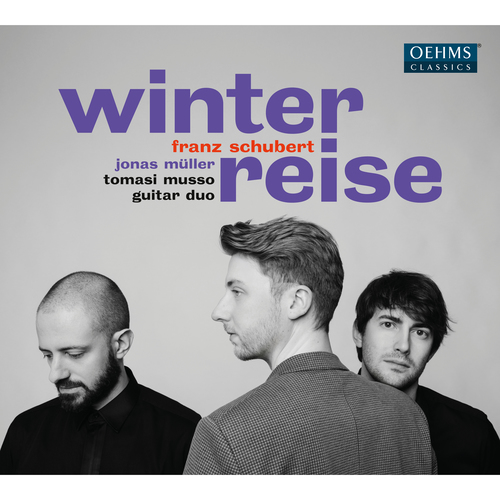
In this debut album, baritone Jonas Müller and the Tomasi Musso Guitar Duo present Schubert’s Winterreise, for which the accompaniment has been arranged for two guitars. This creates a new dimension demanding of a different approach from the singer, who must now internalise what the piano used to provide. This is particularly in keeping with the idea that Winterreise is not simply a collection of songs composed by a travelling horn player, but that the existential encounter between the stranger and the hurdy-gurdy man gives rise to new songs that have never been heard before and can only be sung together.
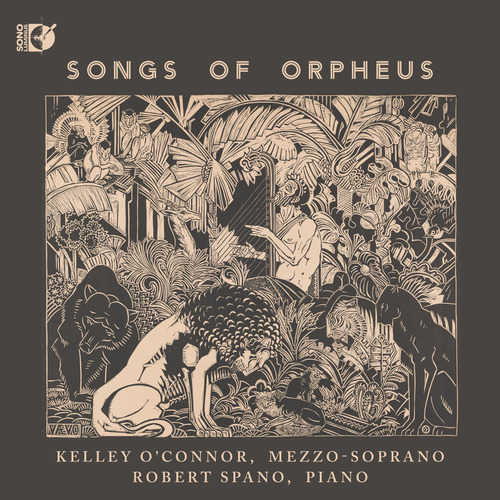
Bent Sørensen’s Popsange (‘Pop Songs’, 1990), a song cycle for tenor and piano, sets texts by Michael Strunge from his poetry collection of the same name. These eight concise songs, spanning just a little over 13 minutes, echo the poetic precision of Schumann’s Dichterliebe. Sørensen masterfully complements Strunge’s words with a blend of melancholy, profundity, and folk-like charm. In this evocative recording, the performers capture the cycle’s delicate balance of introspection and accessibility, showcasing Sørensen’s gift for crafting music that is both deeply moving and universally resonant.
* Only available for download and streaming.
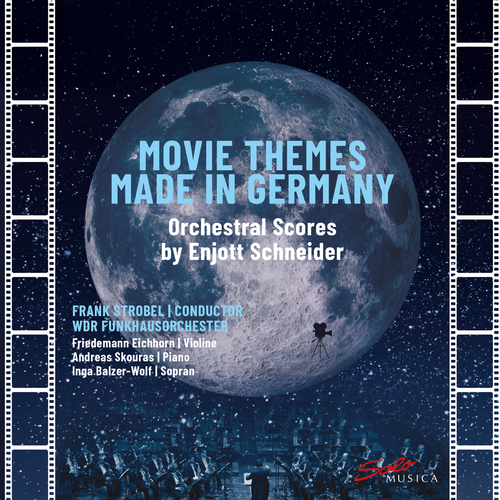
THE MIRACLE OF FILM MUSIC
Composing music for pictures is about the same as setting a text to music or expressing a poetic-lyrical idea: it is about looking ‘behind the façade’ of a situation, capturing the spiritual and psychological aspects behind a situation or thing. Good and independent film music is never just an external description and duplication of the image: it must capture the essence, the ‘right vibration’, touch the deep inner core of an invisible world that remains hidden to the visual eye, which is only focused on the external.
Film music always knows more than what is going on in the picture: as if in a magical process, it connects people with each other, links past memories with the future and hope. It is a sorceress that can lend every image and every situation a characteristic timbre.
This collection of film music from three decades not only reproduces the original themes from films but also presents them ‘concertante’ in newly created work contexts such as suites or independent tone poems.
![SHOSTAKOVICH, D.: Music for Film [7-disc boxed set]](https://cdn.naxos.com/sharedfiles/images/naxos-images/2025/sep/8.507016_3d_front.png "SHOSTAKOVICH, D.: Music for Film [7-disc boxed set]")
Shostakovich composed music for film throughout his life, from his teenage years as a pianist accompanying silent films in Leningrad until the early 1970s. New Babylon provoked a political and artistic storm upon its release in 1929 but remains one of Shostakovich’s finest film scores, performed here complete and uncut. Popular favourites The Gadfly and Hamlet are heard in premiere recordings of the complete scores. Also included is the music for Alone, The Girlfriends, Love and Hate and The Fall of Berlin in premiere recordings that have garnered international critical acclaim.
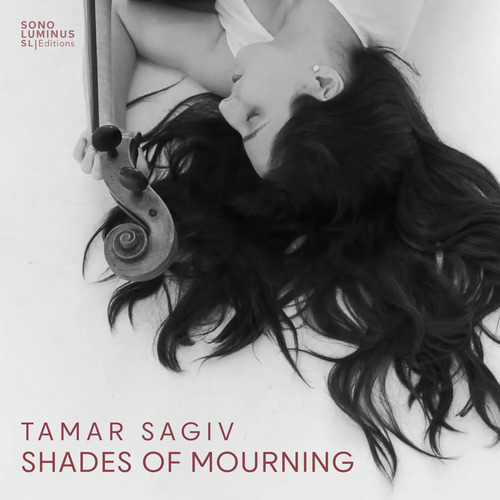
‘I am writing these words while the Middle East, my place of birth, my roots, is bleeding. There are no words that can describe the pain, loss and suffering I see in the land and its people on a daily basis.
Like me, my friends, family, and neighbors who live on the other side of these fences that were built to divide us, carry an excruciating pain that grows deeper as the wars continue – pain that will live in hearts and souls for generations to come.
I wanted this project to bring people together through music. My grandfather, born in Syria and shaped by hardship, believed in peace until his last day. Because of him, I believe in peace, and I hope this is one belief I will never have to grieve.
The sonic landscape of conflict–the sudden silence after chaos, the irregular heartbeat of distant artillery, that unnatural quiet following destruction–has inevitably found its way into my musical language. These experiences of personal loss, collective grief, and enduring hope became the foundation for the music in this album, each piece exploring different sides and shades of mourning.’ – Tamar Sagiv
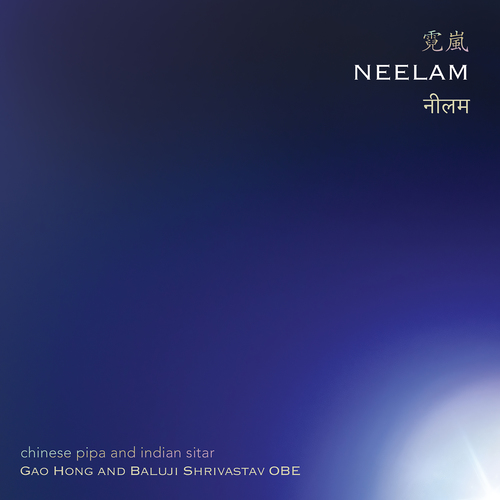
Chinese pipa virtuoso Gao Hong and Indian multi-instrumentalist Baluji Shrivastav OBE unite their rich musical traditions in a cross-cultural collaboration that shines with emotional depth. Alongside Yousef Ali Khan on tabla, Baluji’s expressive Indian raags provide a spacious foundation for Gao’s intuitive improvisations–at times echoing his motifs, at others soaring freely.
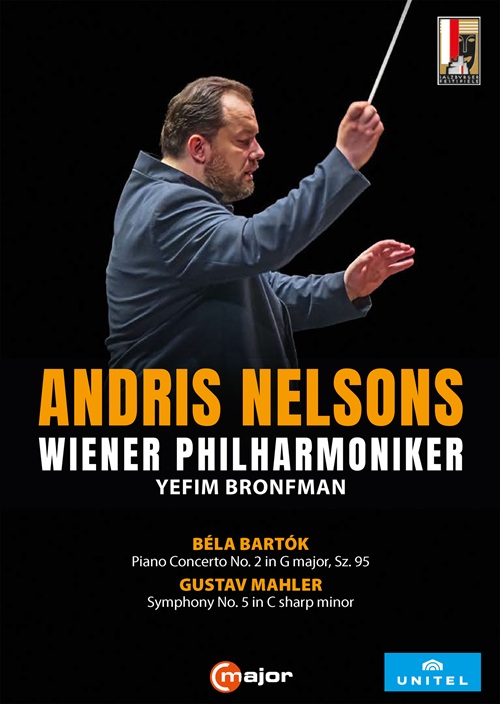
Andris Nelsons and the Wiener Philharmoniker explore the brilliance of Béla Bartók’s Piano Concerto No. 2 and the emotional depths of Gustav Mahler’s Fifth Symphony. Passionate but restrained, Andris Nelsons conducts both masterpieces with superb clarity and precision: Mahler’s famous Adagietto unfolds with “unreal shimmer and dark glow” (BR Klassik). Yefim Bronfman is the soloist in one of the most difficult piano concertos ever written and impresses with “impeccable technique, expressive power, and a touch of swing” (Der Standard). The concert is part of the Wiener Philharmoniker’s Mahler cycle with Andris Nelsons.
![DONIZETTI, G.: Don Pasquale [Opera] (Fondazione Teatro Donizetti, 2024)](https://cdn.naxos.com/sharedfiles/images/cds/hires/DYN-38067.jpg "DONIZETTI, G.: Don Pasquale [Opera] (Fondazione Teatro Donizetti, 2024)")
Donizetti’s Don Pasquale is one of a triumvirate of 19th-century Italian opere buffe – L’elisir d’amore and Rossini’s Il barbiere di Siviglia being the others – that continue to enchant the world’s stages. Don Pasquale represents the high point of the opera buffa tradition, employing figures taken from commedia dell’arte – the blustering old man, his lovesick nephew, the wily widow and the scheming doctor – and brings new life to the genre in this beautifully constructed comic opera full of cabalettas, cadenzas and coloratura, gently tinged with melancholy. This production employs a new critical edition of the work and stars the seasoned baritone Roberto de Candia in the central role, alongside Giulia Mazzola as Norina.
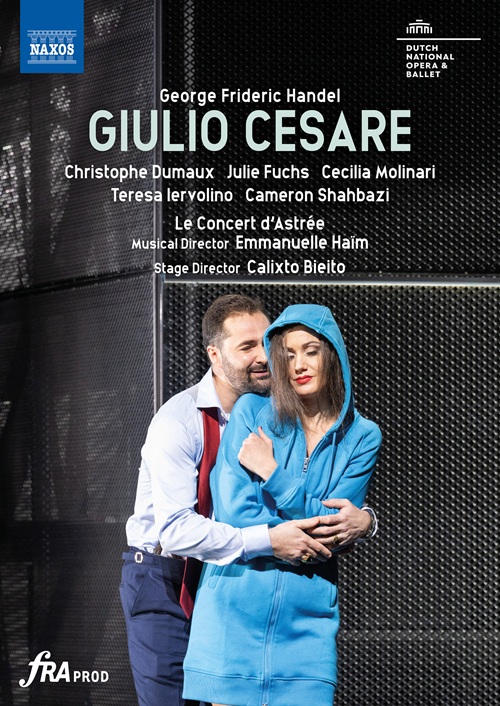
Set during the Roman Civil War (49–45 BCE), Handel’s Giulio Cesare is an intense drama filled with romance, tragedy and political intrigue. The plot centres on Cleopatra’s campaign to seduce Julius Caesar in order to enlist his support in her becoming Queen of Egypt. Handel’s music breathes the atmosphere of the Baroque with virtuosic vocal fireworks and subtle arias. This acclaimed production is given a modern setting populated by power-hungry oligarchs who are placed by director Calixto Bieito into ‘a digital dream world in a desert paradise’.
![RATMANSKY, A.: Tchaikovsky Overtures [Ballet] (Bavarian State Opera, 2022)](https://cdn.naxos.com/sharedfiles/images/cds/hires/BSOREC3001.jpg "RATMANSKY, A.: Tchaikovsky Overtures [Ballet] (Bavarian State Opera, 2022)")
The Gondoliers, the twelfth of fourteen operas from Gilbert & Sullivan, has been an audience favourite since its 1889 premiere. The tunes are infectious, the romantic and family conflicts heartfelt, and the satire of rank and station constantly entertaining and relevant. This Scottish Opera co-production with the D’Oyly Carte Opera Company and State Opera South Australia is created by some of the world’s foremost G&S enthusiasts and experts.
![TALBOT, J.: Alice’s Adventures in Wonderland [Ballet] (Royal Ballet, 2024)](https://cdn.naxos.com/sharedfiles/images/cds/hires/OA1386D.jpg "TALBOT, J.: Alice’s Adventures in Wonderland [Ballet] (Royal Ballet, 2024)")
The Gondoliers, the twelfth of fourteen operas from Gilbert & Sullivan, has been an audience favourite since its 1889 premiere. The tunes are infectious, the romantic and family conflicts heartfelt, and the satire of rank and station constantly entertaining and relevant. This Scottish Opera co-production with the D’Oyly Carte Opera Company and State Opera South Australia is created by some of the world’s foremost G&S enthusiasts and experts.
![WAGNER, R.: Lohengrin [Opera] (Vienna State Opera, 2024) (NTSC)](https://cdn.naxos.com/sharedfiles/images/cds/hires/769408.jpg "WAGNER, R.: Lohengrin [Opera] (Vienna State Opera, 2024) (NTSC)")
![WAGNER, R.: Lohengrin [Opera] (Vienna State Opera, 2024) (NTSC)](https://cdn.naxos.com/sharedfiles/images/cds/hires/769504.jpg "WAGNER, R.: Lohengrin [Opera] (Vienna State Opera, 2024) (NTSC)")
Make sure to subscribe to Naxos newsletters for other great offers.